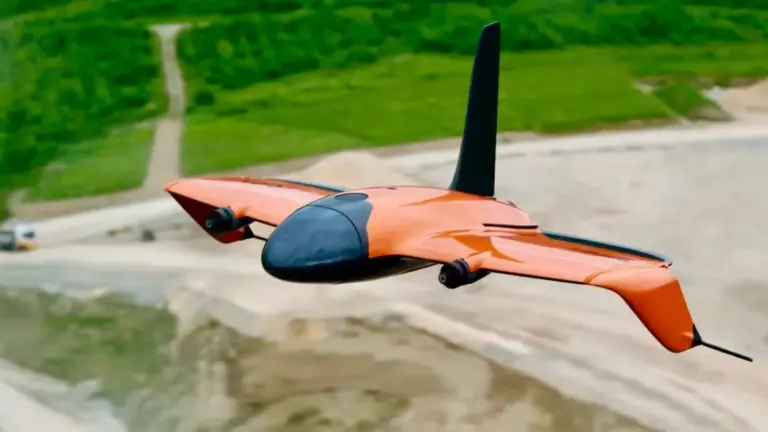
Wingtra has revealed that it conducted 180 simulation runs over a six-month period to refine the design of its new WingtraRAY drone, using AirShaper’s computational fluid dynamics tools. The effort resulted in a 56% increase in payload capacity and a 12% improvement in aerodynamic efficiency compared to its predecessor, the WingtraOne. These gains were achieved without disclosing specific weight, flight time, or sensor specs, focusing instead on the iterative design process.
For content creators who rely on drones for aerial photography, surveying, or mapping, the ability to carry heavier payloads—such as advanced cameras, LiDAR sensors, or multispectral arrays—directly impacts mission flexibility and data quality. Wingtra’s simulation-driven approach highlights how virtual testing can accelerate hardware development while reducing reliance on costly physical prototypes.
The use of AirShaper’s platform underscores a growing trend in drone engineering: leveraging simulation software to optimize performance early in the design cycle. By iterating 180 virtual candidates, Wingtra was able to identify configurations that maximize lift and minimize drag, translating to real-world gains in endurance and utility.
While the WingtraRAY remains positioned as a professional-grade VTOL fixed-wing drone, these improvements signal a meaningful step forward for creators needing more capable platforms. The focus on efficiency also suggests potential benefits in operational cost and environmental impact over extended missions.
Wingtra’s method offers a case study in how deep simulation workflows can yield tangible performance upgrades—information that empowers creators to evaluate not just what a drone can do, but how it was engineered to get there. As drone tech advances, such transparency in development processes may become a key differentiator in a competitive market.
Join the conversation
Load Facebook comments to read and reply using your Facebook account.