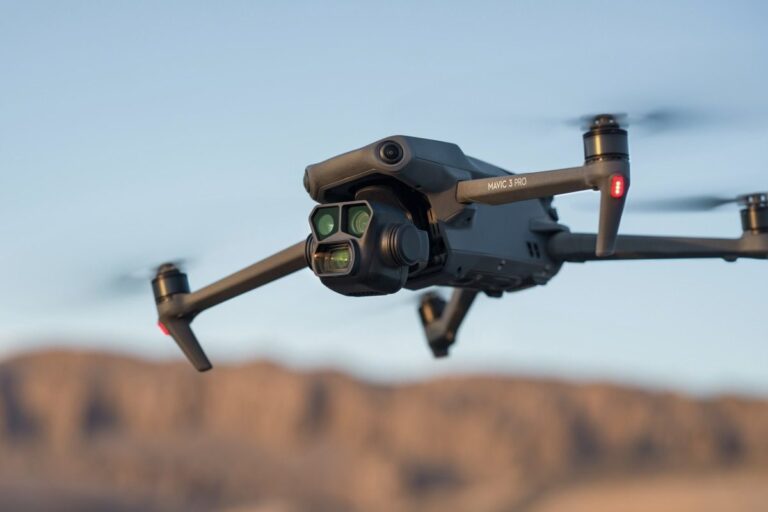
GPS has become a routine part of flying a drone, making it easy to overlook how dependent the technology is on a steady satellite signal. When that signal is disrupted—whether by intentional jamming or by spoofing with false coordinates—an autonomous aircraft or ground vehicle can quickly lose its sense of position. This vulnerability poses a real risk for anyone who relies on drones for professional work, from aerial photography to inspection services.
Elsight has announced a new positioning technology designed to keep drones navigating even when GPS is unavailable or compromised. The company’s approach focuses on providing an alternative method for determining location that does not rely on satellite signals. While the source does not detail the specific sensors or algorithms involved, the core aim is clear: to maintain accurate, continuous positioning under conditions that would normally cause GPS‑based systems to falter.
For content creators, the reliability of a drone’s navigation directly impacts both safety and creative flexibility. A loss of positioning can lead to unexpected drifts, forced landings, or even collisions, all of which interrupt a shoot and potentially damage expensive gear. By offering a fallback that works without GPS, Elsight’s solution could reduce the likelihood of such interruptions, allowing creators to focus more on framing shots and less on monitoring signal strength.
The broader implication is that drone operations could become more resilient in environments where GPS is notoriously unreliable—such as urban canyons, indoor venues, or areas near strong electromagnetic interference. This resilience may open up new possibilities for creators who want to capture footage in challenging locations without constantly worrying about signal loss.
As the technology moves from announcement to real‑world deployment, creators will be watching to see how it integrates with existing flight controllers and whether it adds any noticeable weight or power draw. Regardless of those practical considerations, the promise of a GPS‑free positioning layer represents a step toward more dependable drone flights, which is a benefit anyone who relies on aerial platforms can appreciate.
Join the conversation
Load Facebook comments to read and reply using your Facebook account.
