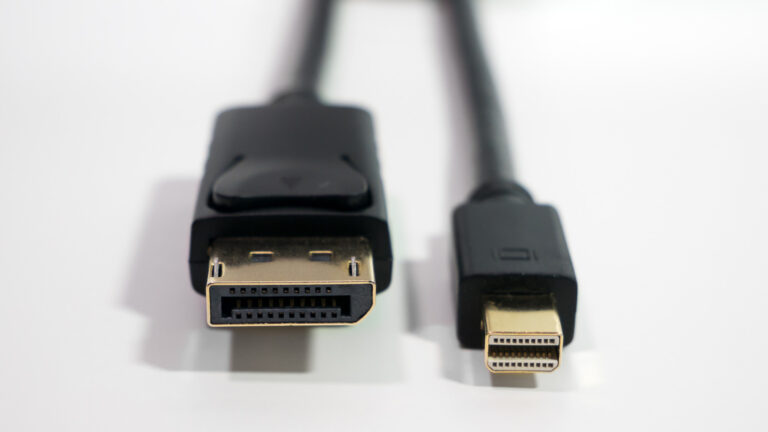
Mini DisplayPort was once a common sight on laptops and desktops, especially among creative professionals who relied on its high-bandwidth video output for external monitors. However, as technology evolves, the port is seeing declining use across new devices. According to Engadget, Mini DisplayPort is no longer nearly as common as it once was, having been gradually replaced by more modern and versatile standards.
The shift reflects broader industry trends favoring compact, multi-function ports that support not just video but also data transfer, power delivery, and daisy-chaining. USB-C and Thunderbolt have emerged as the preferred interfaces, offering greater flexibility for creators who use docking stations, external GPUs, and high-resolution displays. These newer standards simplify workflows by reducing cable clutter and enabling faster data speeds essential for video editing, 3D rendering, and color-critical work.
For content creators, this transition means evaluating existing gear and planning for future compatibility. While adapters remain available to bridge older Mini DisplayPort devices to newer systems, relying on legacy ports may limit access to the full capabilities of modern monitors and peripherals. Investing in USB-C or Thunderbolt-equipped hardware ensures better longevity and performance.
As the ecosystem continues to consolidate around unified standards, creators are encouraged to audit their connectivity needs. Prioritizing devices with forward-compatible ports helps avoid workflow disruptions and supports seamless integration with evolving tools. The decline of Mini DisplayPort isn’t just about a port disappearing—it’s about adopting smarter, more efficient ways to create.
Join the conversation
Load Facebook comments to read and reply using your Facebook account.
