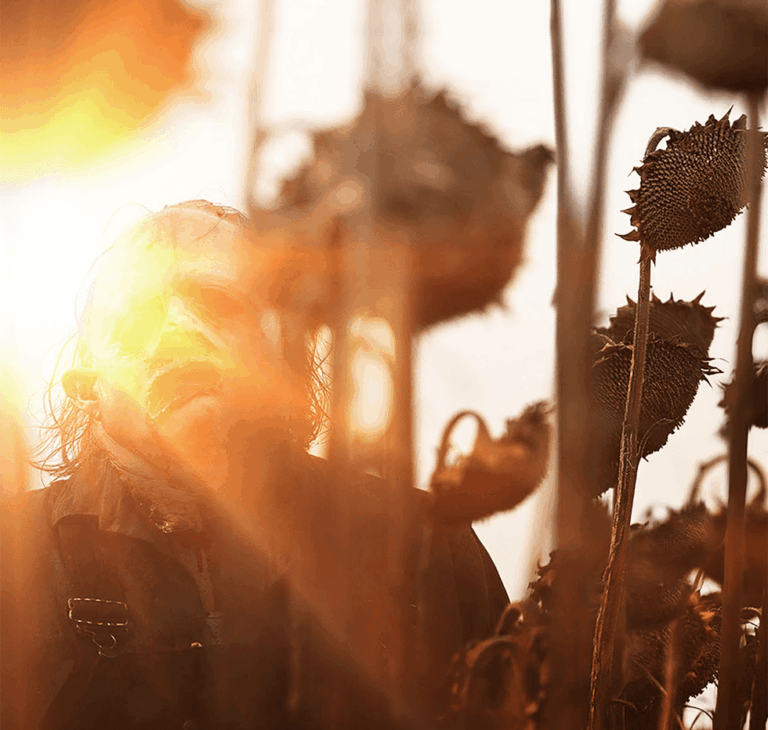
Creating fear in broad daylight is a powerful technique that challenges traditional horror tropes. A recent TikTok video highlighted this approach by showing a school janitor’s perspective in a seemingly normal, sunlit environment. The unsettling effect came not from darkness, but from a subtle, unexplained noise in the background—proving that tension can thrive even under clear skies.
The video’s strength lies in its use of contrast: ordinary visuals paired with abnormal audio. As the filmmaker turns to locate the sound, the bright, sunny setting is revealed, making the unease more jarring. This dissonance between what is seen and what is felt is key to effective daylight horror. Creators can replicate this by focusing on sound design—distant whispers, unexplained footsteps, or distorted ambient noise—to build dread without relying on shadows or night.
Lighting choices also play a crucial role. Harsh, flat sunlight can eliminate hiding spots, making characters feel exposed and vulnerable. Instead of using darkness for safety, filmmakers can use brightness to emphasize isolation. A wide, empty hallway under a glaring sun can feel more threatening than a dim corridor, especially when the source of danger remains unseen.
For content creators, this approach offers a fresh way to stand out in a saturated genre. Daylight horror requires meticulous attention to detail—every visual element must feel normal, yet slightly off. By mastering the psychology of unease in familiar, well-lit spaces, filmmakers can craft horror that lingers long after the screen goes dark.
Join the conversation
Load Facebook comments to read and reply using your Facebook account.
