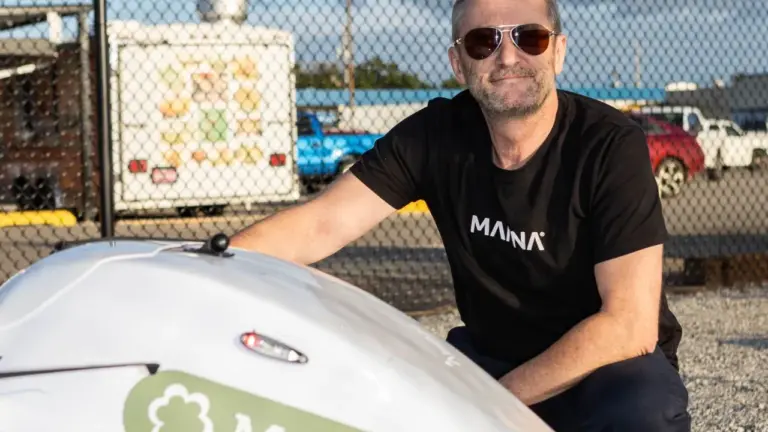
Manna has activated its drone delivery infrastructure in Tulsa, configuring each new base to handle up to 24 drone deliveries per hour, according to the company’s operational rollout reported on October 19, 2026. This capacity reflects Manna’s focus on high-frequency, low-latency logistics for urban food delivery, particularly in dense commercial districts.
The Tulsa Flyer reported that restaurants along Cherry Street are among the early adopters of the service, experiencing daily order volumes ranging from 3 to 20 deliveries per location. This variability suggests a phased adoption curve, with some businesses testing the platform while others integrate it into regular operations.
For content creators and small food businesses, Manna’s model offers a scalable alternative to traditional delivery apps, reducing reliance on third-party drivers and minimizing delivery latency. The 24-per-hour base rate indicates potential for consistent throughput during peak meal windows, supporting creators who rely on timely fulfillment for meal prep, pop-up events, or niche food brands.
While Manna has not disclosed pricing, delivery zones, or specific drone models in use, the Tulsa deployment highlights a growing trend of localized autonomous logistics networks. These systems are increasingly relevant to creator entrepreneurs seeking efficient, branded fulfillment without the overhead of fleets or warehouses.
As drone delivery expands beyond pilot projects into sustained municipal operations, Tulsa serves as a real-world test case for how air-based logistics can support micro-businesses and independent vendors. Manna’s approach—prioritizing base-level throughput and restaurant-facing simplicity—may offer a blueprint for other cities aiming to integrate autonomous delivery into local creator economies.
Join the conversation
Load Facebook comments to read and reply using your Facebook account.
