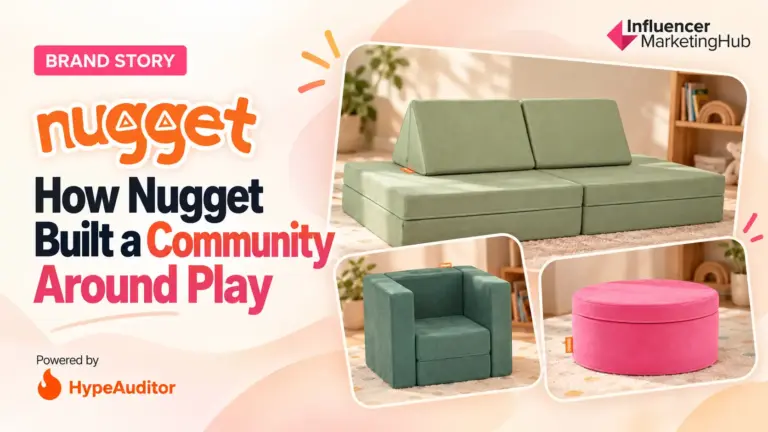
Nugget Comfort’s rise from a simple play couch to a community-driven brand offers a practical case study for creators navigating today’s crowded digital landscape. Rather than leading with ads or aggressive sales funnels, the company prioritized organic engagement by encouraging parents and caregivers to share real-life usage moments — unscripted, authentic, and often messy. This user-generated content became the backbone of its marketing, reducing reliance on paid influencer campaigns while increasing perceived authenticity.
For creators, the takeaway is clear: sustainable monetization starts not with pushing products, but with enabling your audience to become storytellers. Nugget didn’t just sell furniture; it created a shared language around childhood creativity and flexible living spaces. By repurposing customer photos and videos across its own channels — with permission and credit — it built a feedback loop where community input directly influenced product iterations, like new colorways or accessory packs.
This approach carries lower legal risk than traditional influencer marketing. When content comes organically from users, there’s less need for disclosure gymnastics or FTC scrutiny around sponsored posts. Nugget avoided the pitfalls of over-reliance on paid partnerships by making its community the primary content engine — a model that scales without escalating compliance burdens.
Platform policy also played a silent role. Visual platforms like Instagram and Pinterest favor high-engagement, lifestyle-oriented content — exactly what Nugget’s user-submitted play scenes delivered. The algorithm rewarded authenticity, not polish. Creators should note: chasing trends with sterile, branded content often backfires; inviting your audience into the creation process can trigger stronger organic reach.
Ultimately, Nugget’s strategy hinges on trust. Parents trusted other parents more than ads. Creators should ask: Are you building a transactional following, or a community that feels ownership? The former fades when budgets shrink; the latter endures — and often sells better, quietly, over time.
Join the conversation
Load Facebook comments to read and reply using your Facebook account.
