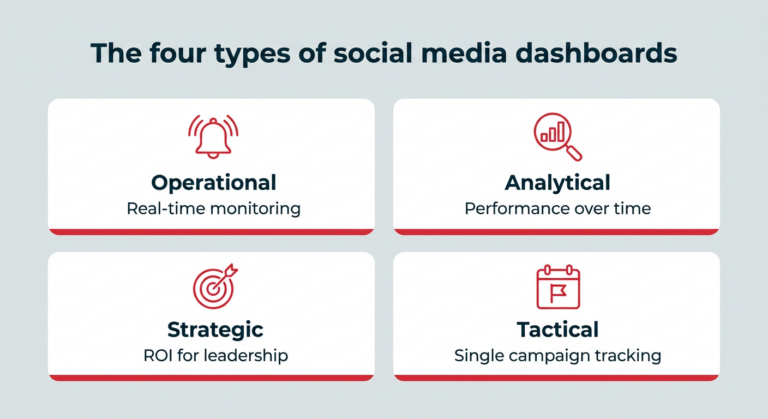
Content creators are increasingly turning to social media dashboards to simplify their workflow and gain clearer insights across platforms. As managing multiple accounts becomes more complex, these centralized tools offer a way to track performance, schedule content, and analyze engagement—all from one interface. According to Hootsuite’s 2026 guide, dashboards now come equipped with ready-to-use templates tailored for different creator goals, whether growing an audience, monitoring brand deals, or measuring video performance.
The core benefit lies in reducing app-switching fatigue. Instead of logging into Instagram, YouTube, TikTok, and Twitter separately, creators can view key metrics side-by-side, spot trends faster, and make data-informed decisions about what content to produce next. Hootsuite emphasizes that effective dashboard use starts with identifying which KPIs matter most—such as watch time, click-through rates, or follower growth—and aligning them with specific campaigns or content pillars.
Best practices highlighted include setting up automated reports, customizing views for different stakeholders (like sponsors or team members), and regularly reviewing dashboard layouts to ensure they reflect evolving goals. Templates provided by platforms like Hootsuite help creators get started quickly, offering pre-built panels for common use cases such as monthly performance reviews or real-time trend tracking.
For creators aiming to scale professionally in 2026, investing time in a well-structured social dashboard isn’t just about organization—it’s a strategic move toward consistent growth, better collaboration, and more impactful storytelling backed by data.
Join the conversation
Load Facebook comments to read and reply using your Facebook account.
