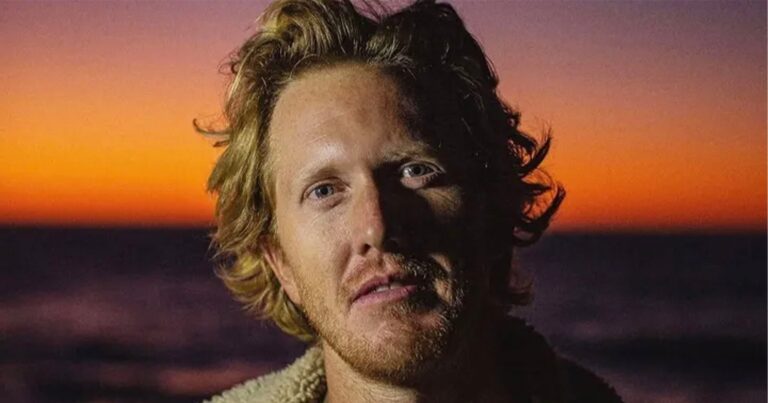
On October 26, 2026, an adventure photographer known for capturing dramatic landscapes across the globe suffered a life-threatening fall while hiking in Portugal. According to reports from PetaPixel, the creator slipped and fell approximately 200 feet from a cliff during a routine trek to secure aerial and terrain shots. Emergency responders arrived swiftly, and the photographer was airlifted to a nearby medical facility for treatment. Though injuries were severe, the individual survived the incident, prompting widespread concern within the outdoor photography community.
This event underscores the inherent dangers faced by content creators who push physical limits to deliver unique visual narratives. Many adventure photographers rely on remote, rugged locations to produce compelling work for clients, social platforms, and stock agencies—but such environments often lack immediate rescue access or clear safety markers. The incident has sparked discussions about risk assessment protocols, gear reliability (such as harnesses and anchoring systems), and the importance of traveling with guides or partners in high-risk zones.
While no equipment failure has been reported in this case, the fall serves as a sobering reminder that even experienced creators are vulnerable when environmental conditions shift unexpectedly. Weather, loose rock, fatigue, and momentary lapses in focus can all contribute to accidents, regardless of skill level. Industry peers have begun sharing personal safety checklists and advocating for standardized training in wilderness first aid and fall prevention among visual storytellers operating in extreme terrain.
For creators whose livelihoods depend on capturing the extraordinary, balancing ambition with caution remains critical. The pursuit of the perfect shot should never compromise personal safety. As the photography and videography industries continue to glorify daring feats, there is growing support for promoting responsible adventure practices—encouraging creators to plan meticulously, respect local advisories, and prioritize return over risk. This incident may become a pivotal case study in redefining how the creative community approaches exploration and documentation in hazardous environments.
Join the conversation
Load Facebook comments to read and reply using your Facebook account.
