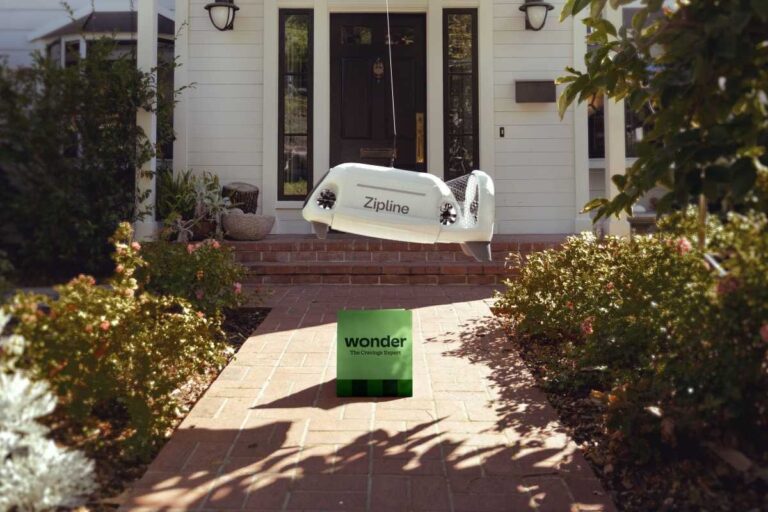
Drone delivery noise is emerging as a significant challenge for widespread adoption, particularly in residential areas where communities are sensitive to constant aerial activity. As more creators and businesses explore drone-based logistics for faster fulfillment, the acoustic impact of low-altitude flights has drawn increasing scrutiny from local residents and regulators alike.
Zipline, a leader in medical and commercial drone delivery, has responded with a software-focused innovation aimed at minimizing sound pollution during operations. Rather than relying solely on quieter hardware or slower speeds, the company’s new approach optimizes flight paths and propeller dynamics through real-time software adjustments. This allows drones to maintain efficiency while significantly lowering their acoustic footprint.
The update reflects a growing industry shift toward community-conscious design in urban air mobility. For creators utilizing drone delivery—whether for product drops, event logistics, or time-sensitive shipments—reduced noise means fewer complaints, smoother operational approvals, and better integration into neighborhoods where discretion matters.
By prioritizing acoustic stealth through intelligent software, Zipline demonstrates how non-hardware advancements can drive practical progress in aerial logistics. This development could set a precedent for how delivery drones operate in populated zones, balancing speed, safety, and social acceptability.
As drone delivery scales beyond pilot programs, solutions like this may become essential—not just for regulatory compliance, but for maintaining public trust and enabling broader creator adoption of the technology.
Join the conversation
Load Facebook comments to read and reply using your Facebook account.
