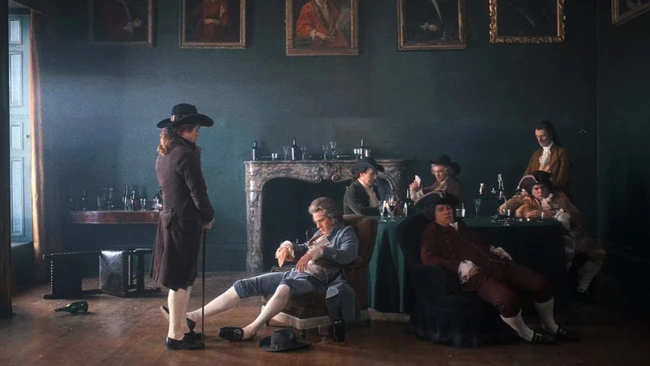
In 1975, Stanley Kubrick achieved what no filmmaker had done before: shooting interior scenes entirely by candlelight in color for his film *Barry Lyndon*. This milestone wasn’t just artistic ambition—it was rooted in precise technical innovation. According to Fstoppers, Kubrick’s team adapted a lens originally developed by NASA for mapping the moon. The ultra-fast Zeiss f/0.7 lens, designed to capture faint lunar surface details in low light, allowed the camera to record-breakingly low light levels needed for candlelit exposure.
Using only candles as the primary light source presented extreme challenges. Standard film stocks and lenses of the era required far more illumination to produce a usable image. But the NASA-derived lens, with its unprecedented aperture, gathered enough light to expose Kodak’s 5254 film stock effectively—even under the dim glow of dozens of candles. Kubrick reportedly used hundreds of candles per scene, carefully positioned to mimic natural 18th-century lighting while avoiding flicker and uneven exposure.
The result was a visual authenticity that immersed viewers in the period’s atmosphere, with soft shadows and warm highlights impossible to replicate with artificial lighting at the time. For modern creators, this story underscores how cross-disciplinary technology—like aerospace optics repurposed for cinema—can unlock new creative possibilities. It also highlights the importance of understanding light physics and equipment limits when pushing visual boundaries.
While today’s digital sensors handle low light far better, Kubrick’s approach remains a benchmark in intentional lighting design. Content creators working on historical pieces, mood-driven narratives, or experimental projects can draw inspiration from this blend of scientific rigor and artistic vision. The legacy of *Barry Lyndon* lives on not just in its look, but in its reminder that innovation often comes from reimagining tools built for entirely different purposes.
Join the conversation
Load Facebook comments to read and reply using your Facebook account.
