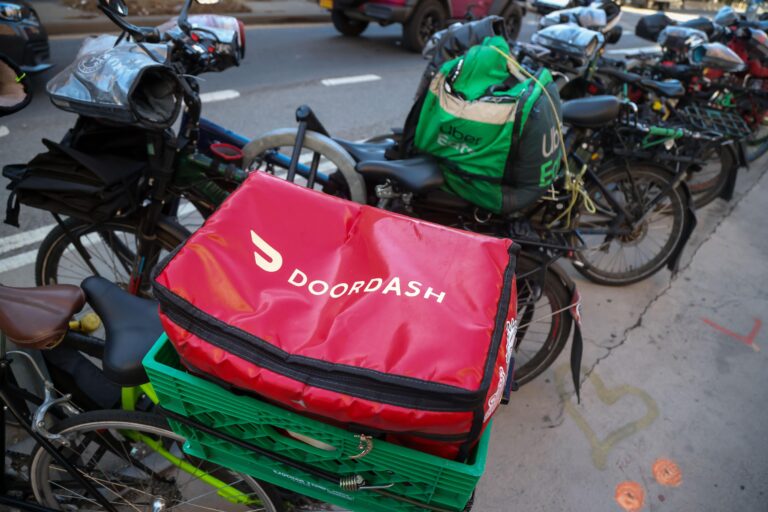
DoorDash has announced a definitive agreement to acquire Instacart in a transaction valued at approximately $17 billion, marking one of the largest deals in the on-demand delivery space. The acquisition, revealed on October 29, 2026, aims to combine DoorDash’s strength in restaurant delivery with Instacart’s dominant position in online grocery fulfillment across North America. By integrating Instacart’s extensive network of retailer partnerships—including major chains like Kroger, Albertsons, and Costco—DoorDash gains immediate scale in a high-margin, rapidly growing segment of digital commerce.
Instacart CEO Chris Rogers noted that the combination will create a more comprehensive platform for consumers seeking both prepared meals and household essentials under a single service umbrella. While operational details remain pending, the deal signals DoorDash’s strategic pivot beyond food delivery into broader local commerce, leveraging Instacart’s technology infrastructure and last-mile logistics expertise. Industry analysts view the move as a defensive and offensive play amid intensifying competition from Amazon Fresh, Walmart+, and Uber Eats’ expanding grocery footprint.
For content creators, the merger underscores shifting monetization opportunities in the gig economy and local services niche. As DoorDash expands its merchant and shopper base, creators focusing on delivery optimization, retail tech, or consumer behavior trends may find new angles for tutorials, reviews, or documentary-style coverage. The combined entity’s data on purchasing habits and delivery patterns could also open doors for sponsored content collaborations, particularly around seasonal shopping events or sustainable packaging initiatives. Regulatory scrutiny is expected given the scale of consolidation, though neither company has commented on antitrust considerations as of the announcement date. Creators should monitor updates regarding workforce integration, app interface changes, and potential impacts on independent dashers and shoppers. This development reflects a broader trend of platform consolidation aimed at capturing greater share of the $1.2 trillion U.S. retail market moving online.
Join the conversation
Load Facebook comments to read and reply using your Facebook account.
