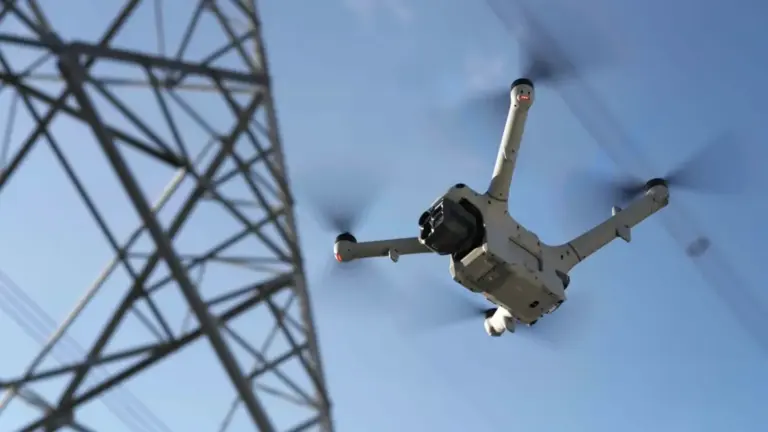
As a drone enthusiast who follows every leap in aerial tech, I’ve watched DJI push boundaries with relentless innovation—even when geopolitical headwinds slow their rollout in key markets. The company’s latest folding thermal drone, unveiled around November 5, exemplifies this drive: compact, rugged, and built for rapid deployment in fields like infrastructure inspection, wildlife monitoring, and emergency response. Though it won’t be sold in the U.S., its existence signals DJI’s commitment to advancing thermal imaging capabilities in portable platforms—a niche where few competitors match their integration of flight stability, sensor precision, and AI-assisted analytics.
What stands out isn’t just the foldable design—which cuts transport time and boosts field usability—but how DJI continues refining dual-sensor systems that overlay thermal data onto visual feeds in real time. This synergy allows operators to spot heat signatures through smoke, foliage, or darkness while maintaining situational awareness—a game-changer for search-and-rescue teams and utility crews. Even without U.S. availability, the drone’s development reflects broader trends: miniaturization of high-end sensors, longer flight times via efficient power management, and ruggedization for all-weather operation.
Economists noted this shift coming, observing that when market access shrinks due to protectionist measures, the incentive for domestic innovation can wane. Yet DJI’s trajectory suggests otherwise—they’re not retreating but redirecting energy toward global markets where demand for advanced thermal UAVs is rising. For creators and professionals relying on drone tech, this means innovation persists, even if the tools arrive via international channels rather than local shelves. The sky, it seems, still has room for progress—just not always under the same regulatory skies.
Join the conversation
Load Facebook comments to read and reply using your Facebook account.
