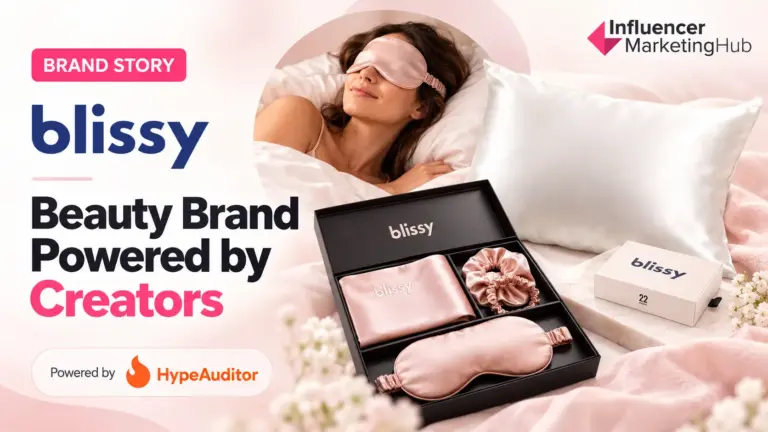
Blissy transformed a simple silk pillowcase into a standout beauty brand by centering its growth strategy around creator partnerships. Rather than relying on traditional advertising, the company tapped into the trust and reach of influencers across platforms like TikTok and Instagram to demonstrate real-world benefits—such as reduced hair breakage and smoother skin—through authentic, relatable content. This approach allowed Blissy to bypass costly ad campaigns while building credibility with niche audiences interested in self-care and wellness.
The brand’s success hinged on aligning with creators whose values matched its positioning: premium, accessible luxury with tangible beauty outcomes. By gifting products and offering affiliate commissions, Blissy incentivized organic storytelling that felt less like an ad and more like a peer recommendation. This model not only drove conversions but also generated user-generated content that fueled further reach, creating a self-reinforcing cycle of visibility and trust.
From a business perspective, Blissy’s creator-first strategy reduced customer acquisition costs and increased lifetime value through repeat purchases and brand loyalty. The approach also minimized legal risk—by avoiding exaggerated claims and instead letting creators share personal experiences within platform guidelines, the brand stayed compliant with FTC disclosure rules and platform policies on health and beauty assertions.
For creators, Blissy offers a case study in how to monetize influence without compromising authenticity. The brand’s long-term collaborations suggest that sustainable sponsorships thrive when there’s genuine product fit and creative freedom. As platform algorithms continue to favor authentic engagement over polished ads, Blissy’s model highlights a scalable path for both brands and creators navigating the evolving digital marketplace.
Join the conversation
Load Facebook comments to read and reply using your Facebook account.
