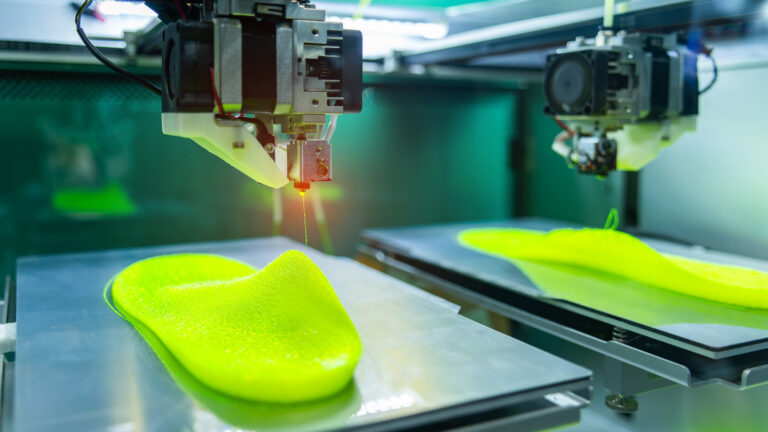
For content creators invested in high-cost hobbies, the upfront price of a 3D printer may seem daunting—but according to recent insights from Engadget, the long-term savings can quickly offset that initial outlay. When used strategically, additive manufacturing becomes a powerful tool for reducing reliance on expensive commercial parts, custom accessories, or frequent replacements. This shift empowers makers to produce exactly what they need, when they need it, at a fraction of the retail cost.
The article highlights five specific hobby categories where 3D printing proves particularly economical over time. While Engadget does not disclose exact figures or brand-specific models, the core argument centers on recurring expenses tied to specialized gear, prototypes, or niche components that are often marked up significantly in retail markets. By designing and printing these items in-house, creators eliminate middlemen, reduce waste, and iterate freely without incurring per-unit fees.
This approach aligns strongly with the growing maker ethos: self-sufficiency, customization, and sustainable production. For YouTubers, cosplayers, tabletop gamers, RC enthusiasts, and instrument builders alike, the ability to fabricate brackets, casings, adapters, or even functional mechanisms means fewer trips to specialty stores and less dependency on backordered or discontinued parts. Over months or years, these avoided purchases accumulate into meaningful financial relief.
Beyond pure cost savings, owning a 3D printer enhances creative control. Creators can modify designs on the fly, test ergonomic improvements, or produce limited-run merchandise—all without minimum order quantities or long lead times. This agility supports faster content cycles and more authentic audience engagement, especially when showcasing the design-to-print process in videos or tutorials.
Ultimately, while a quality 3D printer requires an initial investment and learning curve, its value extends beyond novelty. For dedicated hobbyists who consistently spend on proprietary or hard-to-source components, the machine transitions from a luxury to a practical asset—one that pays for itself through utility, adaptability, and sustained savings. As digital fabrication becomes more accessible, savvy creators are redefining what it means to be both innovative and budget-conscious.
Join the conversation
Load Facebook comments to read and reply using your Facebook account.
