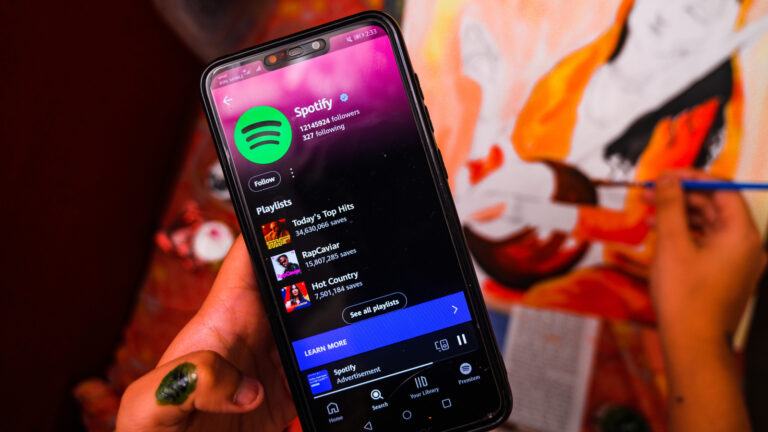
For content creators constantly on the move, choosing between streaming and downloading media isn’t just about convenience—it directly impacts battery longevity and data consumption. According to recent analysis from Engadget, the decision hinges on factors like video and sound quality, which influence how much power your device draws and how quickly data is used. Higher-resolution streams demand more processing power and sustained network activity, draining batteries faster than playing locally stored files.
Downloading content in advance allows devices to play media without maintaining an active connection, reducing strain on both the cellular radio and processor. This can lead to noticeable battery savings, especially during long editing sessions or fieldwork where charging options are limited. However, the initial download does consume data upfront, which may be a concern for creators on limited plans.
Streaming, while convenient for immediate access, keeps the modem active and often triggers adaptive bitrate adjustments that can cause fluctuating power draw. Creators who frequently switch between qualities or experience buffering may see uneven battery performance. In contrast, a downloaded file offers consistent playback with predictable energy use.
Ultimately, the optimal choice depends on your workflow: download when you know what you’ll need ahead of time to conserve battery and manage data; stream when flexibility and storage space are priorities. Understanding these trade-offs helps creators make smarter, more efficient decisions on the go.
Join the conversation
Load Facebook comments to read and reply using your Facebook account.
