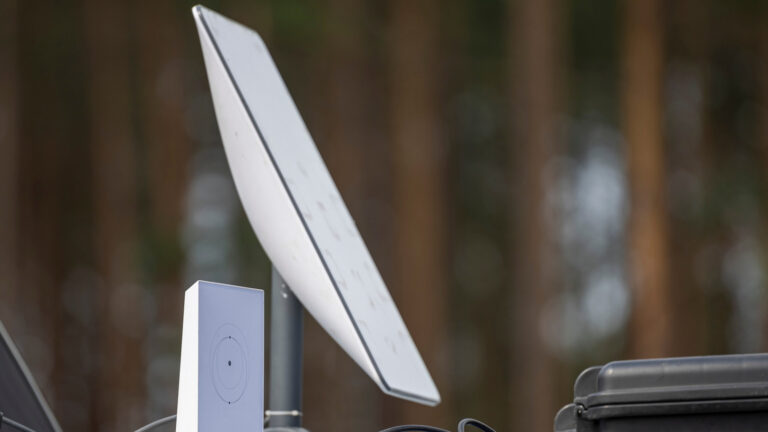
While cable and fiber networks typically lead in raw performance metrics like speed and latency, Starlink holds a distinct advantage that appeals to a growing segment of users. According to recent reporting from Engadget dated November 8, 2026, the key differentiator lies not in bandwidth but in adaptability. This flexibility allows Starlink to serve users in locations where traditional infrastructure is unavailable, unreliable, or impractical to install.
For content creators, this means the ability to maintain a consistent online presence from remote studios, rural retreats, or mobile setups without being tethered to fixed-line networks. Whether filming in mountainous terrain, broadcasting from a coastal cabin, or working while traveling across regions with spotty cellular coverage, Starlink’s portability and quick deployment offer a reliable alternative.
The service’s design prioritizes accessibility over peak performance, making it ideal for creators whose work depends more on staying connected than achieving gigabit speeds. Uploading large video files, live-streaming events, or collaborating via cloud-based tools becomes feasible even off the grid.
Importantly, this adaptability doesn’t require long-term contracts or complex installation — users can activate service quickly and relocate equipment as needed. For independent creators managing their own logistics, this reduces barriers to entry and increases operational freedom.
As hybrid and location-independent workflows become standard, Starlink’s strength may shift from being a backup option to a primary choice for those valuing freedom and resilience over maximum throughput. Its value lies not in beating fiber on speed tests, but in enabling creativity wherever inspiration strikes.
Join the conversation
Load Facebook comments to read and reply using your Facebook account.
