
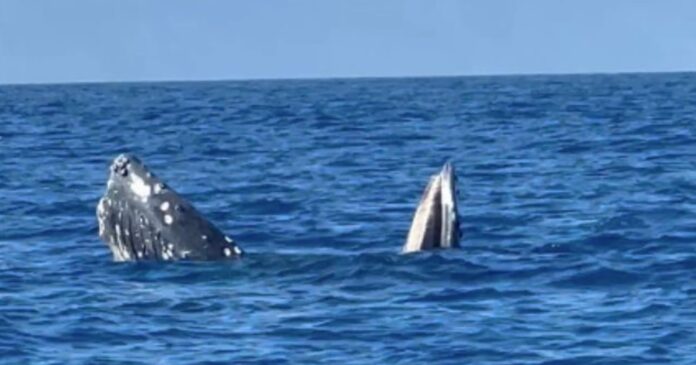


Researchers are turning to an unexpected source for insight into humpback whales: videos captured by tourists and content creators. A recent study highlighted by PetaPixel reveals that scientists are analyzing user-generated footage, including drone videos, to better understand a rare behavior called “gaping,” where whales open their mouths wide even when no food is present. This approach demonstrates the growing scientific value of content captured by everyday observers.
The mysterious gaping behavior has puzzled marine biologists, as it does not appear to be directly tied to feeding. By examining footage from tourist trips and drones, researchers hope to uncover the context and triggers for this action. The study relies on the volume and variety of amateur videos, which provide observations that structured scientific expeditions might miss, offering a broader dataset for analysis.
For content creators, this development highlights a key business angle: your footage can have impact beyond social media or personal portfolios. High-quality videos of wildlife, especially from drones, are increasingly valuable for scientific research. Whether shot on a DJI drone or a handheld camera during a whale-watching tour, such content can contribute to genuine discoveries in marine biology.
This trend underscores the rise of citizen science in the creator economy. As tools like drones and action cameras become more accessible, the line between content creation and scientific observation blurs. For creators specializing in nature and travel, this represents an opportunity to add purpose to their work—producing footage that not only engages audiences but also aids researchers in understanding the natural world.
Ultimately, the study serves as a reminder of the potential hidden in user-generated content. While the research into whale gaping is ongoing, the methods employed here could inspire similar collaborations between scientists and content creators, amplifying the value of shared visual data.
Source: PetaPixel.