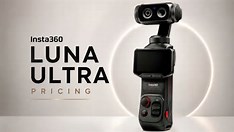
Insta360 has long been a driving force behind the democratization of immersive video, giving creators tools to capture the world in full sphere. The company’s latest tease—the Luna Ultra—hints at a step forward in image quality, promising a 1‑inch sensor paired with Leica branding. A larger sensor typically gathers more light, which can translate into cleaner low‑light footage and richer detail, two factors that often unlock new creative avenues for 360 storytellers.
For those experimenting with virtual tours, immersive documentaries, or interactive social content, the prospect of higher fidelity means scenes can retain texture and depth even when viewed on high‑resolution headsets or large displays. Creators could push the boundaries of virtual production, layering CGI over cleaner plates, or capture night‑time cityscapes with less noise, expanding the visual language of 360 media.
Beyond the technical allure, the source notes that import taxes could make the Luna Ultra a pricier option for US and EU buyers. This economic angle matters for independent creators and small studios who weigh gear costs against potential returns. A higher price tag might slow adoption, but it also signals that Insta360 is targeting a premium segment where performance justifies the investment.
Ultimately, the Luna Ultra embodies Insta360’s ongoing effort to push the envelope of what 360 cameras can do. By marrying a larger sensor with Leica’s optical reputation, the brand is offering creators a tool that could elevate immersive storytelling—provided the market can absorb the associated cost. For the creator community, the promise of better image quality opens fresh possibilities to engage audiences in ways that were once limited by hardware constraints.
Join the conversation
Load Facebook comments to read and reply using your Facebook account.
