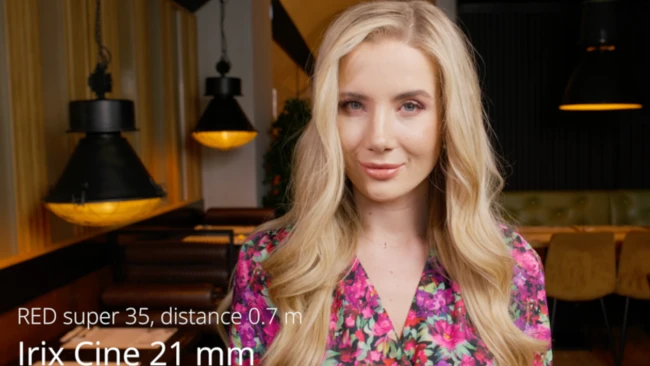
Focus breathing refers to the subtle change in framing that occurs when adjusting focus from a near subject to a far one. As the focus shifts, many lenses cause the image to appear to zoom in or out slightly, an effect likened to the lens inhaling and exhaling. This phenomenon is noticeable once you watch the edges of the frame during a pull focus maneuver.
For videographers, focus breathing is more than an optical curiosity; it directly affects composition. When the frame subtly shifts, subjects can drift toward or away from the edges, potentially breaking the intended visual balance. Creators who rely on precise framing—such as those shooting interviews, product demonstrations, or narrative scenes—must monitor these shifts to maintain consistent visual storytelling.
The impact on content creators extends to both shooting and post‑production workflows. Unexpected framing changes may require additional takes or careful marking of focus points to avoid unwanted cropping. In post, editors might need to apply digital stabilization or reframing corrections to compensate for the breathing effect, adding time to the editing process.
To manage focus breathing, creators can test lenses before a shoot by performing focus pulls and observing the frame’s edges. Choosing lenses known for minimal breathing, using focus marks, or planning shots with extra margin around the subject can reduce the need for corrective work. Some creators also rely on in‑camera or software tools that adjust for minor scale changes during focus transitions.
Being aware of focus breathing helps creators deliver cleaner, more professional video. By understanding how focus adjustments influence framing, videographers can make informed decisions about lens selection, shot composition, and post‑production fixes, ultimately improving the visual quality of their content.
Join the conversation
Load Facebook comments to read and reply using your Facebook account.