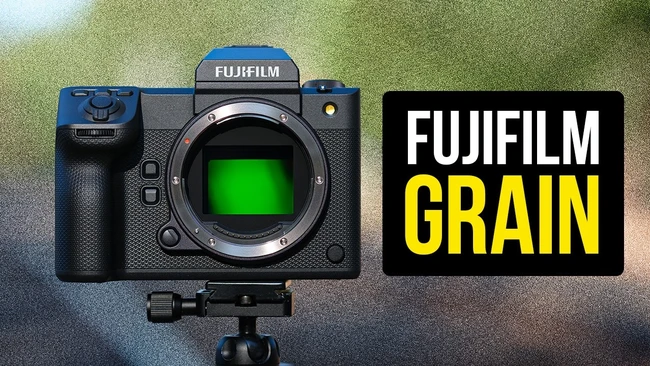
Many Fujifilm owners either skip the grain effect entirely or push it to its strongest setting, decide it looks too noisy, and turn it off again. This common pattern overlooks the subtler possibilities the tool offers when applied thoughtfully.
When dialed back to a gentle strength and paired with a modest size, the grain effect can emulate the delicate texture of classic film stocks. This added layer can give images a tactile feel, deepen the sense of atmosphere, and work especially well in genres like street, portrait, or black‑and‑white work where a timeless look is desired.
Fujifilm’s renowned color science and retro‑inspired design—evident in both the X‑T and GFX series—make the grain effect feel like a natural extension of the camera’s character. The effect complements the brand’s signature rendering, allowing creators to maintain a cohesive visual identity across their portfolio.
To use it effectively, start with a low strength setting and adjust the size until the texture is just noticeable. Preview the result on the camera’s LCD or viewfinder, and consider how the grain interacts with existing light and shadow. The goal is to enhance, not overwhelm, the underlying image.
For creators building a personal brand, a distinctive look can help content stand out in crowded feeds. A carefully applied grain signature can become a recognizable trait that signals quality and intentionality, encouraging viewers to linger and engage.
Ultimately, the grain effect is another creative lever in the Fujifilm toolkit. When combined with solid composition, thoughtful lighting, and the camera’s inherent strengths, it can produce images that feel both contemporary and richly reminiscent of analog photography. Experimentation is key—find the balance that serves your vision and let the effect work quietly in the background.
Join the conversation
Load Facebook comments to read and reply using your Facebook account.
