

The race to build a useful personal AI agent is moving fast, but creators are still waiting for the version that feels truly dependable.
The promise is obvious. A working creator agent could research ideas, organize notes, draft scripts, prepare posts, check publishing calendars, monitor comments, and turn scattered production chores into a cleaner daily workflow. For creators juggling content, platforms, sponsors, and audience growth, that kind of assistant would be a real business tool.
The problem is that most agent systems still break down somewhere between demo and daily use. Some are great inside code projects. Some are better at writing. Some can browse or automate tasks, but need careful supervision. Others feel powerful until the job requires memory, judgment, logins, files, or a long chain of steps without drifting off course.
That gap matters because creators do not need another chatbot tab. They need an operator that can understand the brand, follow the workflow, use the right tools, and avoid making expensive mistakes in public.
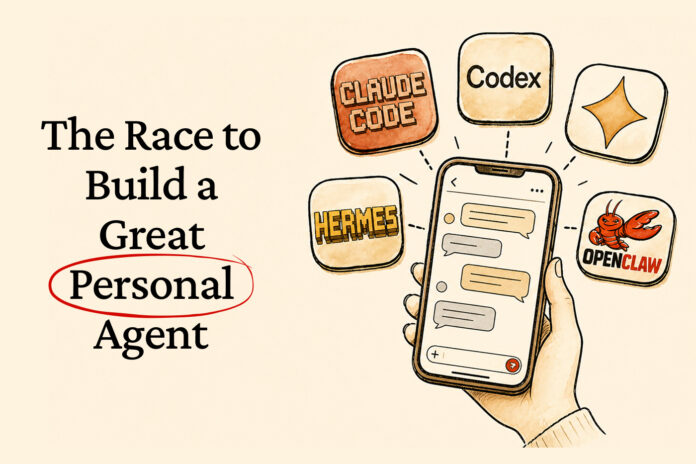
OpenClaw, Hermes, Claude Code, Codex, Gemini, and similar tools are all circling parts of the same problem. The winner may not be the flashiest model. It may be the system that can quietly finish repeatable creator tasks with enough context, safety, and consistency that a creator can trust it every day.
For now, personal AI agents are useful but uneven. The opportunity is still huge, especially for creator businesses that treat automation as workflow support instead of magic.