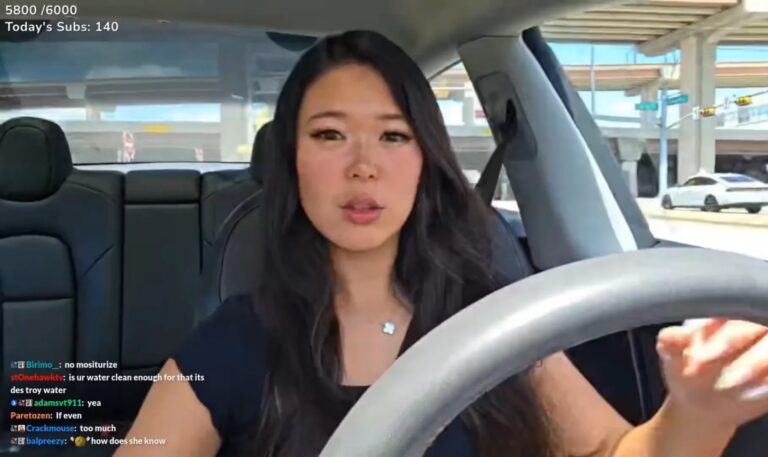
The Twitch community is calling for stricter platform policies following the suspension of popular streamer ExtraEmily (Emily Xuechun Zhang) after she nearly crashed her car while live streaming. The incident, which occurred during a recent broadcast, prompted Twitch to issue a temporary ban, highlighting growing concerns about the dangers of streaming while driving—a practice increasingly scrutinized for its risks to both streamers and public safety.
Content creators and viewers alike are urging Twitch to implement explicit bans on streaming while operating a vehicle, arguing that the current lack of clear guidelines enables risky behavior that could lead to serious accidents. The near-miss has reignited debate over platform responsibility in mitigating harmful practices, especially as mobile streaming becomes more prevalent among creators seeking real-time engagement.
While Twitch has not yet announced policy changes, the incident underscores a broader industry challenge: balancing creator freedom with safety obligations. Platforms face mounting pressure to address distracted driving risks without stifling legitimate mobile content, such as travel vlogs or event coverage, which remain popular among audiences.
The situation reflects a pivotal moment for creator safety advocacy, where community-driven demands for accountability may shape future platform governance. As discussions evolve, stakeholders emphasize the need for clear, enforceable rules that protect both creators and the public while supporting innovative, responsible content creation. This developing story will be monitored for updates on Twitch’s response and potential industry-wide implications for streaming safety standards. 428 words
</think>
The Twitch community is calling for stricter platform policies following the suspension of popular streamer ExtraEmily (Emily Xuechun Zhang) after she nearly crashed her car while live streaming. The incident, which occurred during a recent broadcast, prompted Twitch to issue a temporary ban, highlighting growing concerns about the dangers of streaming while driving—a practice increasingly scrutinized for its risks to both streamers and public safety.
Content creators and viewers alike are urging Twitch to implement explicit bans on streaming while operating a vehicle, arguing that the current lack of clear guidelines enables risky behavior that could lead to serious accidents. The near-miss has reignited debate over platform responsibility in mitigating harmful practices, especially as mobile streaming becomes more prevalent among creators seeking real-time engagement.
While Twitch has not yet announced policy changes, the incident underscores a broader industry challenge: balancing creator freedom with safety obligations. Platforms face mounting pressure to address distracted driving risks without stifling legitimate mobile content, such as travel vlogs or event coverage, which remain popular among audiences.
The situation reflects a pivotal moment for creator safety advocacy, where community-driven demands for accountability may shape future platform governance. As discussions evolve, stakeholders emphasize the need for clear, enforceable rules that protect both creators and the public while supporting innovative, responsible content creation. This developing story will be monitored for updates on Twitch’s response and potential industry-wide implications for streaming safety standards. 428 words
Join the conversation
Load Facebook comments to read and reply using your Facebook account.