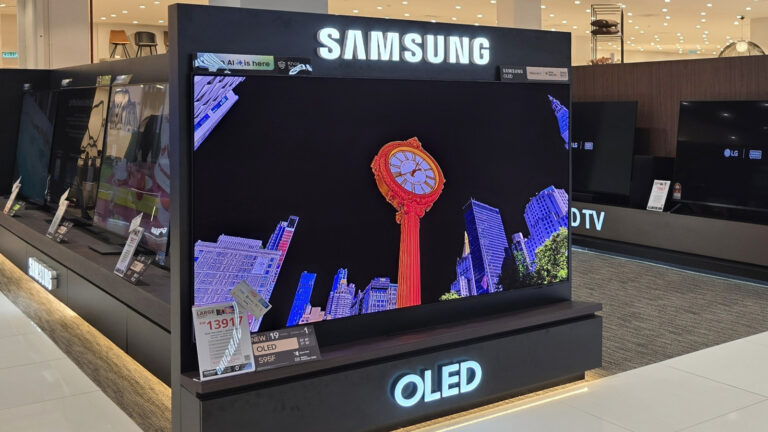
As content creators evaluate their display setups for 2026, a key question persists: are OLED TVs still worth the premium price? Recent analysis from Engadget acknowledges that OLED technology remains unmatched in many aspects, but also notes scenarios where "lesser" alternatives deliver compelling performance. This nuanced view is particularly relevant for creators who balance multiple priorities like color accuracy, budget, and workflow flexibility.
OLED displays are widely celebrated for their exceptional contrast ratios and vibrant color reproduction, making them ideal for tasks like color grading and visual effects review. However, the premium attached to OLED panels can strain budgets, especially for creators building out editing suites or multi-display rigs. For those who prioritize cost-effectiveness, the article suggests that alternatives may offer more practical value.
The Engadget analysis points out that in certain conditions—such as brightly lit studios or environments with uncontrolled ambient light—other technologies can actually outshine OLED. Higher peak brightness in Mini-LED or QLED displays can prove advantageous during HDR content review or when collaborating in non-ideal lighting. This dimension is crucial for creators who require versatility beyond a dark, controlled viewing environment.
For creators, the decision ultimately hinges on specific needs. If your workflow demands absolute color fidelity with deep blacks for cinema-grade projects, OLED may remain the gold standard. But if your setup involves varied lighting, interactive presentations, or budget constraints, exploring "lesser" technologies could yield better overall performance without the cost penalty.
Engadget’s 2026 outlook suggests that the gap between display technologies is narrowing, making the buy-in decision less clear-cut than in previous years. Creators are encouraged
Join the conversation
Load Facebook comments to read and reply using your Facebook account.
