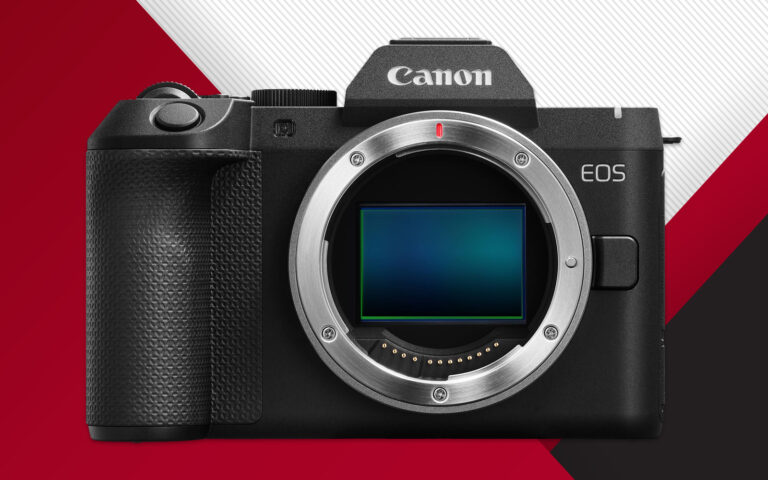
The Canon EOS R8 Mark II has begun shipping following its initial announcement on September 15, 2026, ending a prolonged lead time that had delayed availability for pre-order customers. According to Canon Rumors, stock levels for the camera are now reported as good across all regions surveyed, indicating improved supply chain readiness after earlier constraints. This timely rollout may help alleviate frustration among creators who had waited weeks beyond the expected launch window.
Priced at $1,899, the EOS R8 Mark II enters a competitive segment of the mirrorless market aimed at enthusiasts and semi-professional content creators. While the source does not detail specific features or performance metrics, it highlights the camera’s new ergonomic design as a notable update, suggesting refinements to grip, button layout, or overall handling intended to improve usability during extended shooting sessions. Such changes could appeal to vloggers, hybrid shooters, and travel photographers prioritizing comfort and portability.
The publication characterizes the camera’s sales trajectory as likely to be a “slow burn,” implying steady rather than explosive adoption. This outlook may reflect cautious consumer sentiment amid a crowded marketplace, where buyers often compare offerings from Sony, Nikon, and Fujifilm before committing. The EOS R8 Mark II’s success may hinge on how well its ergonomics and integration within Canon’s RF lens ecosystem resonate with users seeking a reliable, upgrade-path-friendly system.
Canon’s lens ecosystem remains a significant factor in the camera’s appeal, offering access to a growing lineup of RF-mount lenses ranging from compact primes to professional-grade zooms. For creators already invested in Canon’s DSLR or mirrorless systems, the EOS R8 Mark II presents a familiar interface with modern mirrorless benefits, potentially reducing the learning curve and increasing long-term value.
As of October 20, 2026, the camera’s availability marks a key milestone in Canon’s 2026 product cycle. Real-world performance, autofocus reliability, and video capabilities will ultimately determine whether the $1,899 price point aligns with creator expectations—but for now, improved accessibility signals a step forward in meeting demand.
Join the conversation
Load Facebook comments to read and reply using your Facebook account.
