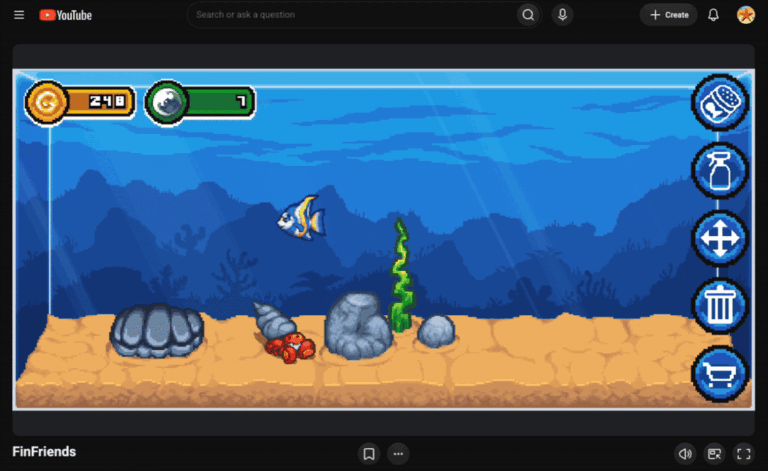
YouTube has introduced new accessibility tags for Playables, its interactive gaming and app experiences within the platform, according to the YouTube Blog post dated November 2, 2026. These tags allow users to see supported control schemes, visual adjustments, and audio settings before launching a Playable, helping them assess suitability based on individual needs. The update aims to improve transparency and usability for players with diverse abilities.
For content creators, this development offers a clearer way to design and label inclusive experiences. By highlighting accessibility features upfront, creators can better communicate how their Playables support various user preferences—such as remappable controls, colorblind modes, or subtitle options—without requiring users to dive into settings after launch. This proactive approach may increase engagement and retention among broader audiences.
The feature aligns with YouTube’s ongoing efforts to enhance accessibility across its ecosystem, following similar updates to standard video player controls and captioning tools. While the blog post does not specify technical requirements or implementation timelines, it confirms that the tags are now live and visible on eligible Playables. Creators are encouraged to review their existing and upcoming interactive content to ensure accurate tagging.
This update presents a strategic opportunity for creators focused on educational, casual, or family-friendly content, where accessibility often influences discoverability and user satisfaction. By leveraging these tags, developers can signal inclusivity as a core design principle, potentially improving visibility in search and recommendation algorithms that prioritize user experience. No additional costs or mandatory changes were mentioned in the announcement.
As YouTube continues to expand Playables as a destination for lightweight, browser-based interactivity, accessibility enhancements like these tags play a key role in fostering a more welcoming environment. Creators who adopt clear accessibility labeling early may gain a competitive edge in audience trust and long-term engagement. Future updates could expand tag categories based on creator feedback and evolving accessibility standards.
Join the conversation
Load Facebook comments to read and reply using your Facebook account.
