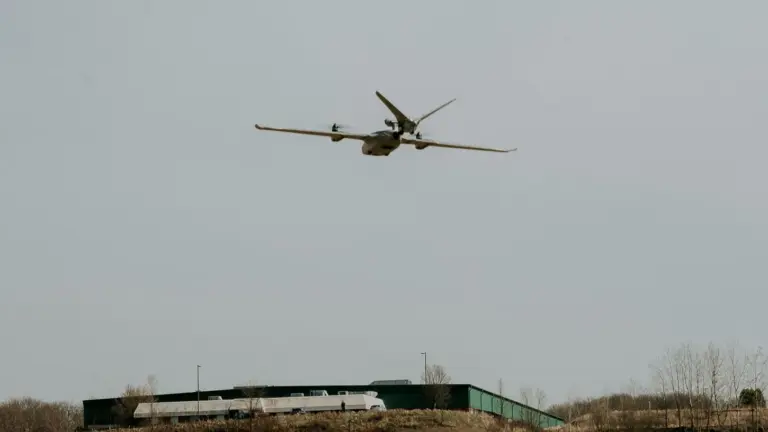
KEF Robotics has officially joined the U.S. Special Operations Command’s (SOCOM) Special Operations Forces RACER (SOF RACER) consortium, according to a report from DroneXL dated November 2, 2026. The collaboration centers on developing technologies for operations in GPS-denied or degraded environments—a growing concern as electronic warfare capabilities advance globally. While specific technical details were not disclosed in the announcement, SOF RACER focuses on accelerating innovation in autonomy, sensing, and alternative navigation systems for special operations forces.
The partnership underscores a strategic shift toward resilient drone operations when traditional satellite navigation is unavailable or unreliable. For creators in the defense, robotics, and unmanned systems sectors, KEF Robotics’ involvement signals continued investment in practical solutions for real-world tactical challenges. Rather than pursuing experimental or long-term research paths, SOF RACER emphasizes near-term deployable tools that can be integrated into existing drone platforms used by special operations units.
KEF Robotics, known for its work in autonomous systems and perception software for ground and aerial robots, brings expertise in sensor fusion and AI-driven navigation—capabilities directly applicable to navigating without GPS. Their inclusion suggests a focus on leveraging onboard cameras, inertial measurement units, and terrain-relative vision systems to maintain situational awareness and precision movement in contested spaces. This aligns with broader industry trends where visual-inertial odometry and landmark-based navigation are being refined for military and commercial use alike.
For content creators covering defense technology, drone autonomy, or the future of unmanned systems, this development highlights a tangible intersection of private-sector innovation and military readiness. It reflects how niche consortia like SOF RACER serve as pipelines for field-tested advancements, bypassing lengthy procurement cycles. As GPS jamming and spoofing incidents rise in frequency worldwide, solutions emerging from initiatives like this may soon influence not only military drones but also civilian applications in infrastructure inspection, disaster response, and beyond—where signal loss remains a persistent operational hurdle. Creators tracking the evolution of reliable navigation beyond satellite dependence will want to monitor outcomes from this collaboration closely.
Join the conversation
Load Facebook comments to read and reply using your Facebook account.
