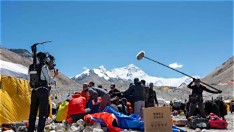
Filming at extreme altitudes presents unique technical and logistical hurdles that test both equipment and endurance. For the documentary *Everest: The Other Side*, cinematographer Clair Popkin faced freezing temperatures, thin air, and unpredictable weather while capturing footage above 18,000 feet on Mount Everest. These conditions demanded rigorous preparation and adaptive shooting strategies to protect gear and maintain visual quality.
Popkin emphasized that every piece of equipment underwent real-world testing under harsh mountain conditions before deployment. Batteries drained faster in the cold, lenses fogged with temperature shifts, and stabilizing systems had to function despite wind and instability. The crew prioritized lightweight, reliable gear that could withstand prolonged exposure without failure, balancing cinematic ambition with practical survival needs.
The project highlights a growing trend among creators pushing into remote, high-risk environments to tell authentic stories. Success depends not only on artistic vision but also on meticulous planning, local expertise, and contingency protocols. For *Everest: The Other Side*, the result is a visually immersive portrayal of the mountain’s lesser-known perspectives—achieved through persistence, precision, and deep respect for the environment.
This behind-the-scenes account offers valuable insights for documentary filmmakers, adventure content creators, and cinematographers considering extreme-location shoots. It underscores that innovation in high-altitude filming isn’t just about cutting-edge tech—it’s about resilience, preparation, and knowing when to adapt or retreat. As demand for immersive, real-world storytelling grows, such expeditions redefine what’s possible in nonfiction cinema—one frame at a time, even when the air is thin and the stakes are high.
Join the conversation
Load Facebook comments to read and reply using your Facebook account.
