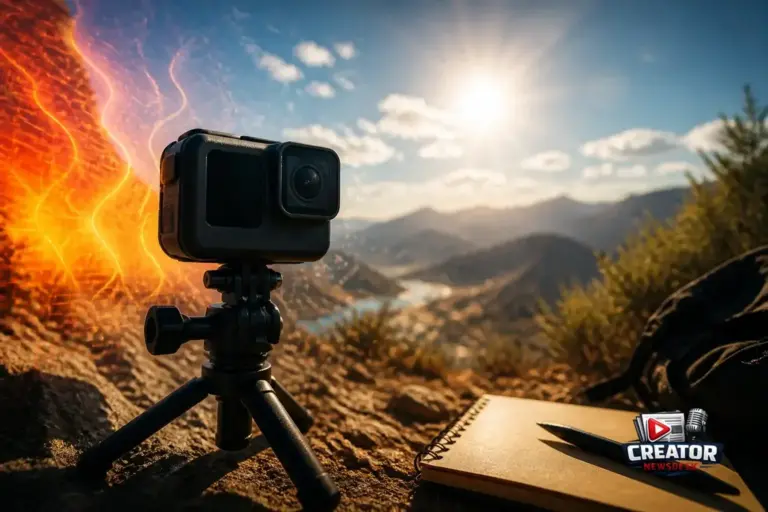
After extended field use across multiple GoPro models, including the less-publicized Mission 1 Pro, a pattern emerges: overheating isn’t an occasional bug but a recurring design limitation affecting sustained recording. In high-frame-rate modes and direct sunlight, thermal throttling kicks in faster than expected, cutting shoots short — a real issue for creators relying on continuous coverage. This isn’t unique to GoPro, but competitors handle it differently.
DJI’s Osmo Action series, particularly the latest 4S, demonstrates better thermal management through improved heat dissipation and smarter power scaling, allowing longer 4K/120ft recording sessions without interruption. Insta360’s Ace Pro series leverages its larger sensor and efficient cooling design to maintain performance even in demanding conditions, though it trades some ruggedness for thermal headroom. GoPro’s HyperSmooth stabilization and Horizon Lock remain industry-leading, but the thermal ceiling limits how long those features can be pushed.
The Mission 1 Pro, aimed at professional workflows with modular accessories and ProRes support, shows promise but inherits the same thermal constraints under load. For creators shooting in hot environments or doing long takes, this means planning cooldown breaks or sacrificing resolution/frame rates — a compromise not always acceptable on tight schedules. GoPro’s software updates have helped mitigate peak temps, but physics and form factor impose hard limits.
Ultimately, GoPro excels in stabilization, usability, and ecosystem integration — strengths that still make it a top choice for many. But when compared side-by-side with DJI and Insta360 in real-world thermal stress tests, the advantage shifts depending on use case. For action sports with short bursts, GoPro still wins. For extended documentary or industrial work, competitors offer more reliable thermal performance. The flaw isn’t fatal, but it’s a design trade-off creators must weigh.
Join the conversation
Load Facebook comments to read and reply using your Facebook account.