I’ve used GoPro cameras in demanding conditions—mountain biking, surfing, and winter sports—only to have them shut down mid-record due to overheating. It’s not hypothetical; I’ve lost irreplaceable footage multiple times when the device simply powered off to protect itself. These aren’t edge cases; GoPro’s thermal limits are a well-documented pain point for creators who push their gear. Even with waterproof housings and ventilation mods, the core issue persists under sustained use in warm environments.
That’s why I’ve made a hard rule: the only scenario where I’d even consider touching new GoPro hardware is if they sent it to me completely free—and even then, I wouldn’t trust it for any shot that matters. Client work, travel documentaries, or once-in-a-lifetime moments? No thanks. The risk of silent failure isn’t worth saving a few bucks on gear. When a camera dies without warning, it doesn’t just lose video—it breaks trust.
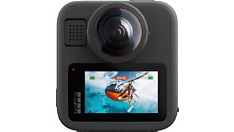
The current discount on the GoPro MAX2, while tempting on paper, doesn’t change that calculus. A 40% off price tag means nothing if the device can’t reliably function when you need it most. I’ve seen too many creators blame themselves for “pushing it too hard” when the truth is the hardware wasn’t built for real-world creative demands.
Instead, I’ve switched to DJI and Insta360 for my 360 and action needs. Their thermal management feels more robust in practice, and I haven’t experienced the same abrupt shutdowns during extended shoots. For creators who can’t afford to lose footage, reliability isn’t a feature—it’s the baseline. And right now, GoPro isn’t meeting it.
Join the conversation
Load Facebook comments to read and reply using your Facebook account.
