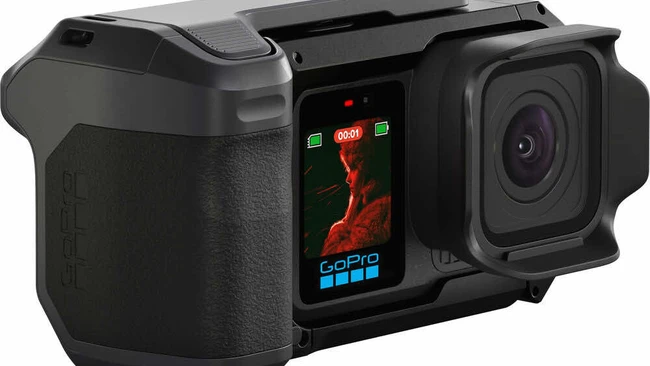
As a creator who relies on action cameras for everything from mountain biking trails to underwater shoots, I’ve lost count of how many times my GoPro has shut down mid-recording due to overheating. It’s not a rare fluke—it’s a pattern. The camera gets hot, the red warning light flashes, and then it powers off, taking valuable footage with it. This isn’t just frustrating; it’s costly when you’re on location and can’t reshoot.
GoPro’s overheating problems aren’t anecdotal. They’re well-documented in real-world use, and I’ve experienced them across multiple models. No matter the settings or environment, the thermal throttling kicks in too soon, cutting recording short when I need it most. For important shots—like a once-in-a-lifetime climb or a timed event—I simply can’t risk it.
The only scenario where I’d even consider trying new GoPro hardware is if they sent it to me for free. And even then, I wouldn’t trust it for critical work. I’d use it only for casual, low-stakes testing—never for client projects or personal milestones where lost footage means lost memories.
That’s why I’ve stopped recommending GoPro entirely. When I need reliability, I turn to DJI or Insta360. Their cameras handle heat better, record longer, and just plain work when I need them to. Until GoPro fixes its core thermal issues, I’m done betting my footage on their promise.
Join the conversation
Load Facebook comments to read and reply using your Facebook account.