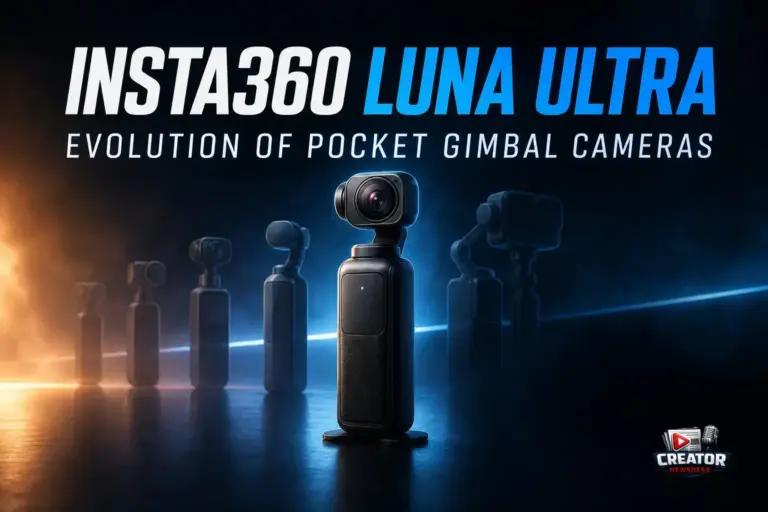
A recent deep dive from DIY Photography charts the fascinating evolution of pocket gimbal cameras, culminating in the Insta360 Luna Ultra. This category has transformed from early handheld stabilizers into compact, all-in-one devices that empower creators. The journey highlights how the industry has addressed key pain points, making gimbal technology more accessible and versatile for everyday use.
The early days of pocket gimbals were defined by bulk and complexity. Creators needed separate components: a camera and a stabilizer, often requiring careful balancing and setup. Over time, engineers tightened the integration, shrinking motors and batteries while improving software. This evolution set the stage for today’s seamless solutions, where stabilization is paired with advanced imaging capabilities.
Insta360 has been a driving force in this shift, known for its innovative approach to 360-degree cameras. By embedding gimbal technology into a self-contained unit, the company solved classic action camera issues like shakiness and the need for additional accessories. The Insta360 Luna Ultra represents the latest milestone in this lineage, offering creators a tool that combines stabilization with creative flexibility.
For the creator economy, this evolution means less time setting up gear and more time capturing compelling footage. The Luna Ultra exemplifies this trend, packing professional-grade stability into a pocket-friendly form. Whether for vlogging or dynamic action shots, it simplifies the workflow without sacrificing quality—a boon for solo creators and small teams alike.
As DIY Photography notes, the road to the Insta360 Luna Ultra reflects a broader push toward all-in-one solutions. The category has matured from niche hardware to a must-have for anyone serious about smooth video. With each generation, these devices lower the barrier to entry, letting creators focus on storytelling. The Luna Ultra continues that tradition, promising to be a reliable partner for capturing life’s moments.
Join the conversation
Load Facebook comments to read and reply using your Facebook account.