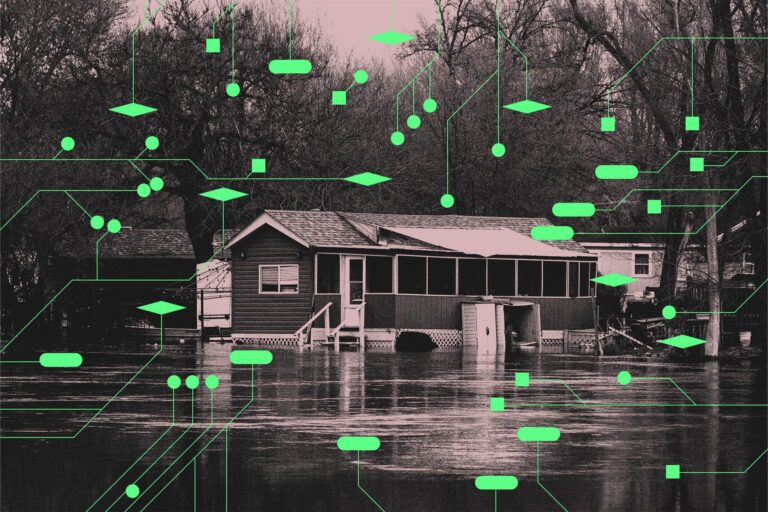
On June 9th, Laura Lin experienced firsthand how quickly flash floods can develop when heavy rain began flooding her yard during a Zoom call in Lanesville, Indiana. Though she was unaware of the danger at the moment, her story underscores a growing threat: flash floods often strike with little to no warning, especially in rural areas. Traditional forecasting models struggle to predict these rapid-onset events due to their localized and sudden nature.
Now, a new technology highlighted by The Verge aims to change that. By combining real-time satellite observations with advanced machine learning algorithms, researchers are developing systems capable of detecting the early signs of flash flood risk—such as intense rainfall patterns and soil saturation—hours before flooding occurs. This approach leverages high-frequency data from Earth-observing satellites to monitor environmental changes across broad regions, even where ground-based sensors are sparse.
For content creators focused on science, technology, or climate resilience, this innovation represents a significant leap in predictive capability. Unlike conventional weather alerts that may only activate once flooding is imminent or underway, this satellite-driven method seeks to provide earlier, more accurate warnings—potentially giving communities crucial time to prepare or evacuate. The system’s reliance on publicly available satellite data also opens opportunities for developers and educators to build tools, visualizations, or awareness campaigns around flood risk.
While still in development, the technology reflects a broader trend of using AI and remote sensing to address climate-related hazards. As extreme weather events become more frequent, tools like this could play a vital role in public safety infrastructure. Creators covering emergency tech, AI applications, or environmental storytelling now have a timely, evidence-based angle to explore—one rooted in real-world impact and ongoing innovation.
Join the conversation
Load Facebook comments to read and reply using your Facebook account.