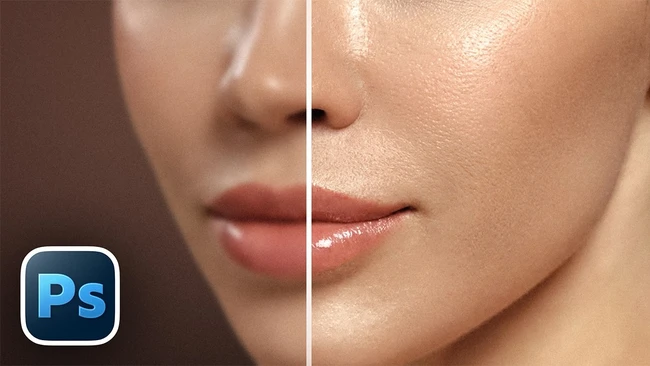
Retouched skin often looks flawless when viewed up close but can appear flat or lacking texture once the image is zoomed out. This common issue frustrates portrait photographers and retouchers who strive for natural‑looking results that hold up at any viewing size. The problem stems from the way frequency separation separates tone and texture, where adjustments to the low‑frequency layer can unintentionally diminish the high‑frequency details that give skin its lifelike quality.
Photoshop’s frequency separation workflow includes a built‑in technique that addresses exactly this loss of detail. Although many users overlook it, the method is already part of the standard setup and can be applied without adding extra plugins or complex steps. By making a simple adjustment within the existing frequency separation layers, creators can bring back the fine texture that disappears when stepping back from the image.
For creators who deliver portraits to clients, maintaining consistent skin detail across different viewing distances translates to higher satisfaction and fewer revision requests. It also streamlines the editing process, allowing retouchers to achieve a balanced look in a single pass rather than toggling between multiple corrective passes. Incorporating this overlooked step can therefore improve both the quality of the final image and the efficiency of the workflow.
Because the technique relies solely on features already present in Photoshop, there is no additional cost or learning curve beyond understanding where to apply it within the frequency separation routine. Portrait editors who have struggled with skin that looks good close up but dull at a glance can now revisit their workflow and apply this straightforward fix to retain detail across all scales. This small change can make a noticeable difference in the professionalism and impact of their delivered work.
Join the conversation
Load Facebook comments to read and reply using your Facebook account.
