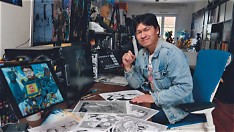
For many independent creators, the gap between professional identity and internal confidence can be a significant hurdle. A recent account shared via Yahoo explores the psychological challenges of identifying as a "mangaka" (manga artist) while grappling with feelings of fraudulence, commonly known as impostor syndrome.
The creator describes a mental struggle where claiming a professional title felt dishonest, despite their active work in the field. This experience highlights a frequent tension in the creator economy: the pressure to project a professional image to an audience while privately doubting one's own legitimacy or skill level.
Beyond the psychological toll, the creator touches upon the complexities of productivity and time management. They note a specific mental barrier regarding their daily schedule, mentioning that starting work as late as 8:00 AM can lead to a feeling that the day has already been "lost."
This sentiment reflects a common struggle among freelancers and digital artists who manage their own hours. The pressure to maximize every waking moment often leads to a cycle of guilt and diminished productivity, regardless of the actual output achieved by noon.
For creators navigating similar paths, this narrative serves as a reminder that the "fraud" feeling is often a mental construct rather than a reflection of professional capability. Balancing the demands of a creative business with a sustainable mental approach is essential for long-term growth.
By sharing these vulnerabilities, the creator illustrates that the path to professional confidence is rarely linear and often involves unlearning rigid expectations about productivity and identity.
Join the conversation
Load Facebook comments to read and reply using your Facebook account.
