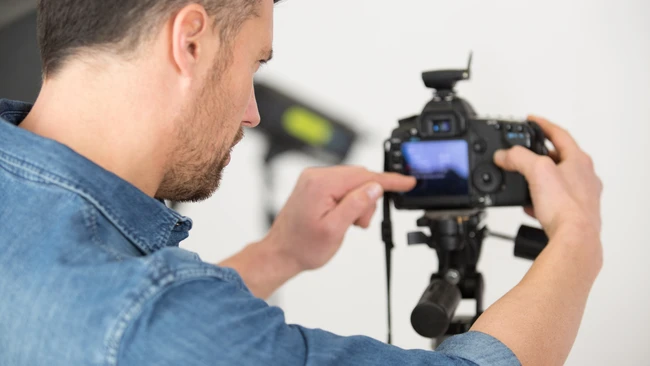
Many creators find themselves pulling the camera away from their face after each shot, squinting at the LCD, zooming in to check focus or exposure, then either nodding in approval or deleting and trying again. This cycle of constant review can become a reflex, especially when trying to nail the perfect image in fast‑moving situations. While it feels like a safety check, it interrupts the natural rhythm of shooting and pulls attention away from the subject or scene.
The habit of checking every photo on the LCD can hurt a creator’s workflow in several ways. It breaks the flow of a session, making it harder to stay immersed in the moment and react to spontaneous actions. Each pause adds up, lengthening the time spent on set and increasing mental fatigue. Moreover, frequent deletions based on a quick glance can lead to discarding usable frames that might have worked well in post‑production, simply because they didn’t look perfect on a small screen under varying lighting conditions.
Instead of reviewing every shot immediately, creators can trust their camera settings and use tools that give immediate feedback without removing the eye from the viewfinder. Relying on the histogram, exposure compensation, or focus peaking allows you to confirm technical quality while staying engaged with the scene. Shooting in short bursts and reserving detailed LCD checks for predetermined intervals—or saving them for a dedicated review period after the shoot—helps maintain momentum and reduces the temptation to chimping after every frame.
Adopting this approach yields tangible benefits for content creators. Staying glued to the viewfinder fosters a stronger connection with subjects, leading to more authentic expressions and dynamic compositions. Fewer interruptions mean you can capture more frames in a given time, increasing the chances of getting that standout shot. Additionally, postponing detailed review to a dedicated session allows for more objective evaluation, free from the pressure of the moment and the distractions of the
Join the conversation
Load Facebook comments to read and reply using your Facebook account.
