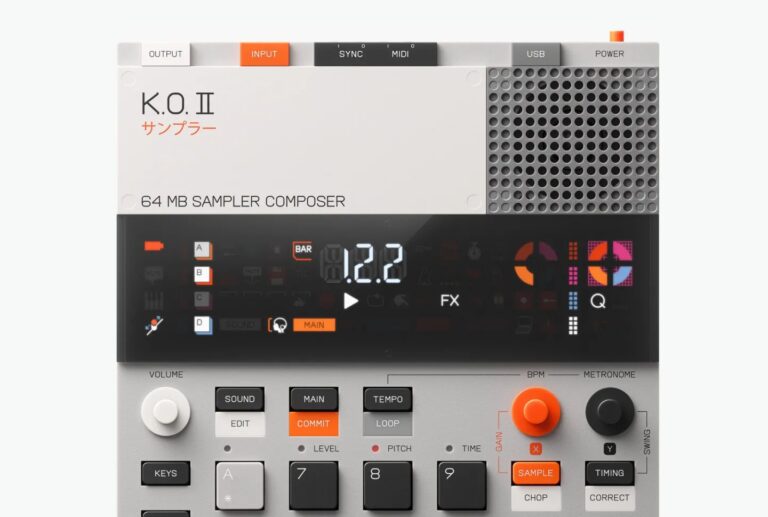
Teenage Engineering has rolled out OS 2.5 for its EP-133 KO II sampler, delivering one of its most substantial updates yet. Announced via The Verge on June 27, 2026, this latest firmware release continues the company’s pattern of refining the $329 device that has proven surprisingly capable for content creators. The update focuses on expanding both sonic texture and connectivity options.
Key additions include audio over USB, enabling direct recording and playback into a computer or mobile device—a significant workflow upgrade for podcasters, beatmakers, and video producers. Creators can now also explore selectable sample rates, allowing deliberate lo-fi aesthetics by altering recorded audio characteristics. The update further introduces sample reverse, an arpeggiator for melodic patterns, and equal-length autochopping, streamlining sample slicing.
These features cater directly to the creator community by reducing the need for external gear. Audio over USB simplifies integration into existing setups, while the lo-fi mode adds vintage textures without post-production. The arpeggiator and auto-chopping tools save time on repetitive tasks, letting artists focus on composition. For content creators working in music production or sound design, these enhancements turn the KO II into a more standalone creative hub.
The update reaffirms Teenage Engineering’s commitment to iterating on their hardware after launch. By extending the KO II’s functionality with professional-grade tools, they address user feedback and keep the device competitive. While the summary notes several improvements, the full scope may include further refinements, as the company has issued multiple substantial updates prior.
For creators invested in portable sampling, OS 2.5 positions the EP-133 KO II as a versatile asset. The combination of USB audio and lo-fi options particularly suits those crafting quick demos, ambient tracks, or content with character. As with previous updates, this release underscores how firmware enhancements can extend a product’s lifecycle and utility without requiring new hardware purchases.
Join the conversation
Load Facebook comments to read and reply using your Facebook account.