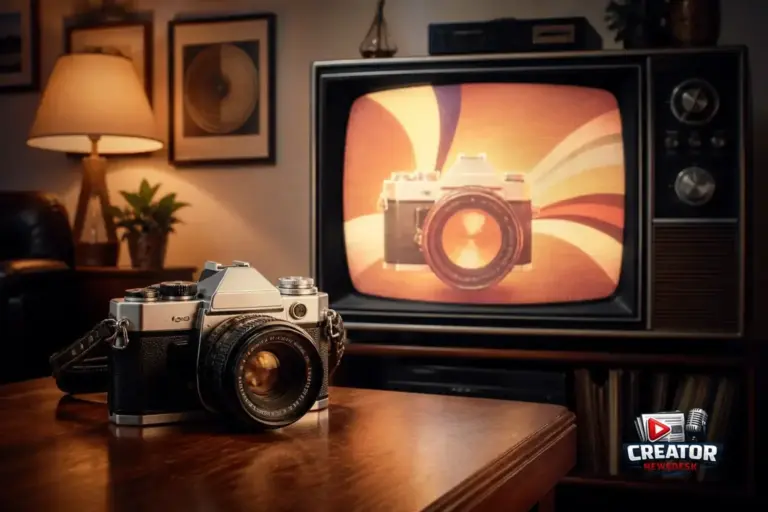
In 1977, Canon introduced the AE-1, a 35mm single‑lens reflex camera that broke new ground not just in design but in how it reached consumers. The company purchased national network television airtime—a move few camera makers had attempted at the time—to showcase the AE-1 during evening programming. This marked one of the first major TV campaigns dedicated to a photographic product.
The advertisement’s message centered on simplicity rather than technical superiority. Instead of highlighting sharpness, build quality, or lens performance, the pitch emphasized that the AE-1 was easy to operate. By focusing on user‑friendliness, Canon aimed to lower the barrier for newcomers who might have been intimidated by the traditional complexities of SLR photography.
This shift in messaging helped transform photography from a niche enthusiast activity into a hobby accessible to a broader audience. The AE-1’s approach resonated with consumers who valued convenience, encouraging more people to pick up a camera for everyday snapshots, travel documentation, and creative experimentation. As a result, the mid‑to‑late 1970s saw a noticeable expansion of the photographic market beyond professional and serious amateur circles.
Canon’s reputation for a versatile lens ecosystem complemented the AE-1’s ease‑of‑use appeal. Owners could start with the kit lens and later explore a range of interchangeable optics suited to different subjects, all while staying within the same trusted system. This flexibility supported users as their skills and interests grew, reinforcing the camera’s role as a gateway into longer‑term photographic engagement.
For today’s creator economy, the AE-1’s legacy is evident in the continued emphasis on approachable tools that enable content creation. The early TV‑driven strategy demonstrated how clear communication of usability can expand a creator base, a principle that remains relevant as modern brands seek to attract new generations of photographers and videographers.
Ultimately, the Canon AE-1’s combination of accessible design, pioneering television advertising, and a supportive lens lineup helped democratize photography, laying groundwork for the mass‑market hobbyist culture that persists today.
Join the conversation
Load Facebook comments to read and reply using your Facebook account.
