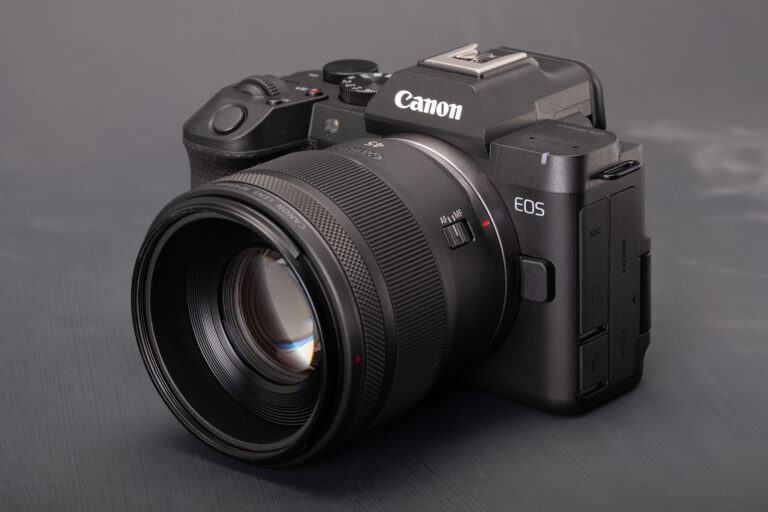
Canon has released an updated version of its entry-level full-frame mirrorless camera, the EOS R8 II, according to a DPReview report dated October 22, 2026. The update focuses on refining the original model’s design and addressing previously noted shortcomings. While specific technical details were not disclosed in the source summary, the revision aims to improve usability and reliability for content creators who depend on consistent performance in hybrid shooting scenarios.
The EOS R8 II continues to position itself as an accessible gateway into Canon’s full-frame mirrorless system, maintaining compatibility with the extensive RF lens lineup. This ecosystem remains a key advantage for photographers and videographers investing in long-term gear flexibility, offering native options ranging from compact primes to professional-grade zooms. By retaining RF mount support, the R8 II allows users to leverage existing lenses while benefiting from updated body ergonomics and refinements.
DPReview highlights that although the redesign resolves several frustrations present in the first-generation R8, some limitations persist. The source does not specify which issues remain unresolved, but suggests that the update strikes a balance between meaningful progress and lingering compromises. For creators evaluating budget-friendly full-frame options, this nuance may influence decisions based on prioritized needs such as autofocus consistency, heat management, or workflow integration.
As part of Canon’s broader strategy to strengthen its presence in the creator market, the EOS R8 II underscores the company’s commitment to iterative improvement within its mid-tier offerings. Rather than introducing radical changes, the update reflects a response to user feedback, aiming to enhance day-to-day shooting experience without altering the core value proposition. The camera remains aimed at enthusiasts and semi-professionals transitioning from APS-C or seeking a lightweight full-frame alternative.
Ultimately, the EOS R8 II serves as a refined iteration that builds on the foundation of its predecessor while staying within the constraints of an entry-level price point. Its continued reliance on the RF lens ecosystem ensures access to a growing library of optics, reinforcing Canon’s appeal to users who prioritize system longevity and cross-model compatibility. For creator-focused audiences, the update represents a cautious but credible step forward in Canon’s mirrorless evolution.
Join the conversation
Load Facebook comments to read and reply using your Facebook account.
