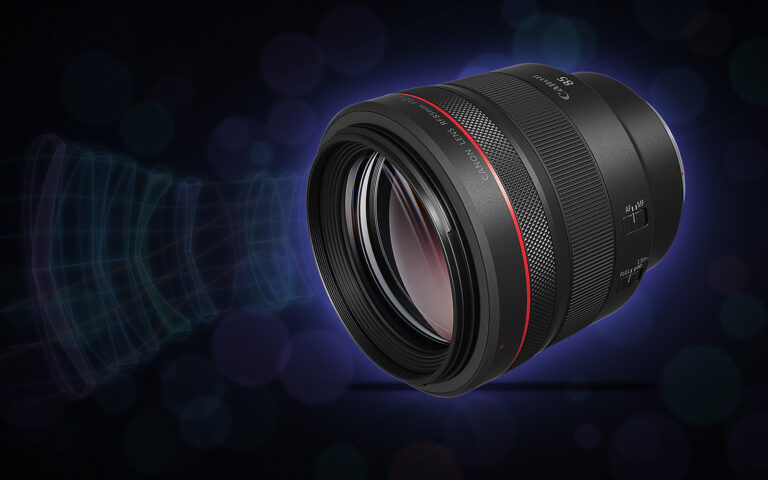
Canon has filed a new patent in Japan that reveals its ongoing efforts to shrink the size and weight of fast prime lenses through material innovation. The patent, JP 2026-1, published on October 16, 2026, focuses on the use of ultra-high-index glass in lens elements rather than changes to optical design. This type of glass bends light more efficiently, allowing lens designers to achieve the same focal length and aperture with fewer or less curved elements, which can reduce overall lens size.
The development aligns with Canon’s broader strategy to enhance its lens ecosystem by offering more portable options for photographers and videographers who demand high performance in compact form factors. Fast prime lenses, known for their wide apertures and low-light capabilities, have traditionally been larger and heavier due to the complex optics required. By integrating advanced materials like ultra-high-index glass, Canon aims to address this trade-off without sacrificing image quality.
While the patent does not specify exact lens models or performance metrics, it signals Canon’s continued investment in materials science as a pathway to innovation. This approach complements existing efforts in aspherical elements, coatings, and barrel design to create lighter, more manageable lenses. For creators who rely on mobility—such as travel photographers, street shooters, or content producers—smaller, lighter primes could improve usability during extended shoots.
Canon’s RF mount lens lineup already includes several compact fast primes, and this patent suggests future iterations may benefit from such material advancements. The company has not announced any upcoming products based on this patent, but the filing reinforces its commitment to evolving the RF lens ecosystem through both optical and material innovations. As lens design continues to balance performance, size, and cost, innovations in glass composition remain a key area of focus for major manufacturers.
Join the conversation
Load Facebook comments to read and reply using your Facebook account.
