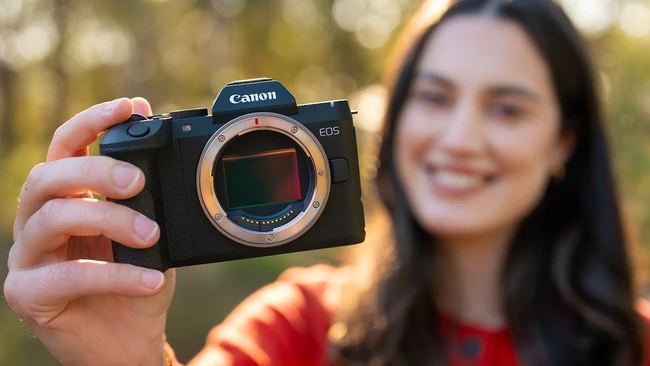
Canon has officially released the R8 Mark II, addressing the most notable omission from its predecessor by adding in-body image stabilization (IBIS). According to Fstoppers, the update transforms the camera’s appeal, particularly for creators transitioning from APS-C or Micro Four Thirds systems to full frame photography and videography. The R8 Mark II retains the 24.2-megapixel full frame sensor of the original R8, now paired with IBIS to reduce blur from hand-held shooting in low light or during video recording.
This addition significantly broadens the camera’s usability for hybrid shooters who rely on stable footage without gimbals or tripods. The source notes that the original R8 lacked this feature, limiting its appeal among vloggers and independent creators prioritizing mobility. With IBIS now included, the R8 Mark II positions itself as a more versatile entry point into Canon’s RF mirrorless lineup.
Canon’s lens ecosystem remains a key advantage, offering access to a growing range of RF lenses designed for full frame performance, including compact primes and versatile zooms. The R8 Mark II benefits from this compatibility, allowing users to leverage high-quality optics while enjoying improved stabilization. The camera continues to target enthusiasts and semi-professionals seeking a lightweight, affordable full frame option without sacrificing core imaging capabilities.
By integrating IBIS, Canon refines the R8 Mark II into a more well-rounded tool for content creation, directly responding to user feedback. The update does not alter the sensor resolution or core processing but enhances practical usability, especially in dynamic shooting environments. As of September 22, 2026, the camera is positioned as a strategic upgrade path within Canon’s mirrorless strategy, reinforcing its commitment to accessible full frame technology.
No additional specifications, pricing, or performance claims beyond those implied in the source material are included in this report. The focus remains on the feature addition and its implications for creators entering the full frame space.
Join the conversation
Load Facebook comments to read and reply using your Facebook account.
