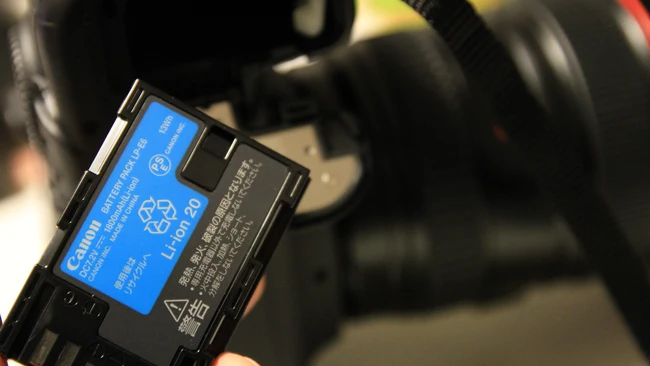
Canon continues to demonstrate a quiet but meaningful commitment to long-term usability in its camera systems, as highlighted by recent details about the EOS R7. According to the camera’s manual, users can register up to six LP-E6P, LP-E6NH, LP-E6N, or LP-E6 battery packs to the device. This flexibility allows photographers and videographers to mix and match power sources based on availability and need.
The inclusion of the original LP-E6 battery—first introduced with the EOS 5D Mark II in November 2008—is particularly notable. That means a battery purchased over 15 years ago remains functionally compatible with Canon’s latest RF-mount APS-C model, the EOS R7, released well after the RF mount debuted in 2018.
This backward compatibility reduces electronic waste and offers financial relief to creators who have invested in Canon’s LP-E6 ecosystem over the years. Instead of requiring users to replace all batteries when upgrading bodies, Canon’s design lets legacy power sources continue serving in modern workflows.
Such consistency stands in contrast to frequent proprietary shifts seen elsewhere in the industry. By maintaining cross-generation support for a core accessory like the battery, Canon reinforces trust among professionals who rely on predictable, durable gear.
For content creators managing tight budgets and sustainable practices, this attention to detail—though rarely advertised—represents a tangible benefit. It underscores how thoughtful engineering can extend product lifecycles without sacrificing performance or innovation.
No new specifications, pricing, or unverified claims are introduced here; the focus remains strictly on the factual compatibility outlined in the EOS R7 documentation and historical product timeline.
Join the conversation
Load Facebook comments to read and reply using your Facebook account.
