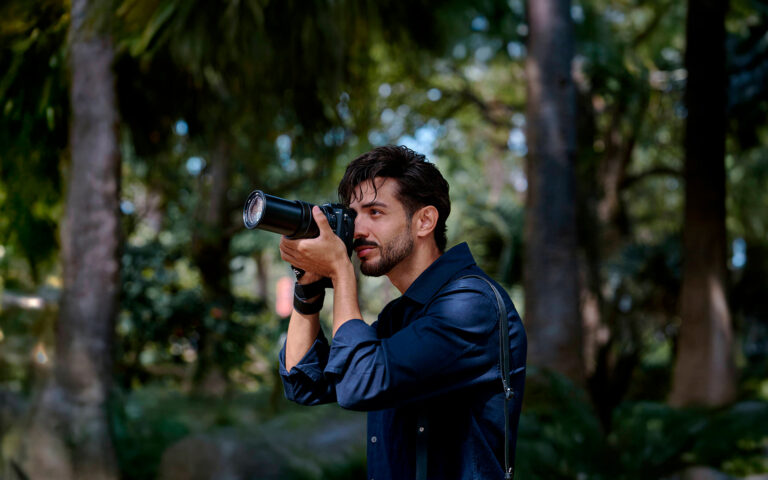
Wildlife photography demands patience, quick reflexes, and the ability to capture subjects from a safe distance—whether observing backyard birds, tracking deer on forest trails, or exploring national parks. In 2026, choosing the right compact camera can significantly improve results without the bulk of traditional DSLR or mirrorless systems. As noted by Canon Rumors, the decision hinges on balancing portability with reach and responsiveness, especially when subjects are wary or fast-moving.
Canon’s long-standing reputation as a trusted camera brand remains relevant in this context, particularly due to its extensive lens ecosystem. While compact cameras integrate fixed lenses, the broader Canon system informs design choices, such as optical quality, autofocus performance, and compatibility with accessories that enhance field usability. Creators benefit from this legacy when selecting models that leverage Canon’s expertise in telephoto reach and image stabilization—key factors for capturing wildlife without disturbing it.
For content creators focused on nature storytelling, the compact form factor allows for greater mobility and discretion during extended shoots. The emphasis remains on real-world usability: quiet operation, reliable focus in varied lighting, and sufficient zoom range to frame animals ethically from afar. These traits align with the evolving needs of wildlife photographers who prioritize both image quality and minimal environmental impact.
Ultimately, the 2026 guidance underscores that the best compact camera for wildlife isn’t defined by megapixels alone, but by how well it supports the photographer’s intent—waiting, watching, and capturing fleeting moments with precision. Canon’s ecosystem continues to serve as a benchmark for reliability in this niche, even as compact designs evolve to meet modern field demands.
Join the conversation
Load Facebook comments to read and reply using your Facebook account.
