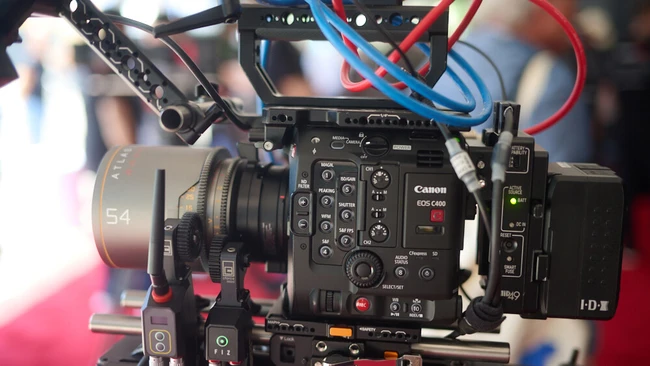
Canon has long been a trusted name in photography, and a recent report from Fstoppers suggests the brand's legacy runs even deeper than many creators realize. According to the outlet, a discontinued Canon lens from the 1970s can fully resolve the 100-megapixel sensor found inside a modern medium format camera body — a striking result for glass that stopped being manufactured decades ago.
The claim highlights an ongoing conversation in the creator community about whether older optics can keep pace with cutting-edge digital sensors. Resolution tests like this one suggest that, in at least some cases, they can. For photographers and videographers who assumed vintage gear was purely nostalgic, the finding offers a data point worth considering.
But raw resolving power is only part of the story. As Fstoppers notes, old glass carries a look that clean, modern digital optics rarely match. That character — often described as rendering with warmth, imperfection, or personality — is exactly what draws shooters back to equipment from another era. In an age where smartphone and mirrorless images can look increasingly uniform, that distinctiveness has real creative value.
For working creators, there's also a practical angle. Vintage lenses are typically far cheaper than new professional glass, and adapting them to modern bodies has become easier than ever. If a 50-year-old Canon lens can hold up against a 100-megapixel sensor, budget-conscious filmmakers and photographers may find renewed incentive to explore secondhand markets rather than chase the latest releases.
None of this means vintage glass is a drop-in replacement for modern lenses — autofocus, coatings, and convenience all favor current designs. But the Fstoppers report adds to a growing body of evidence that Canon's decades-long lens ecosystem retains genuine value, both technically and aesthetically. For creators weighing their next gear investment, the past may deserve a closer look.
Join the conversation
Load Facebook comments to read and reply using your Facebook account.
