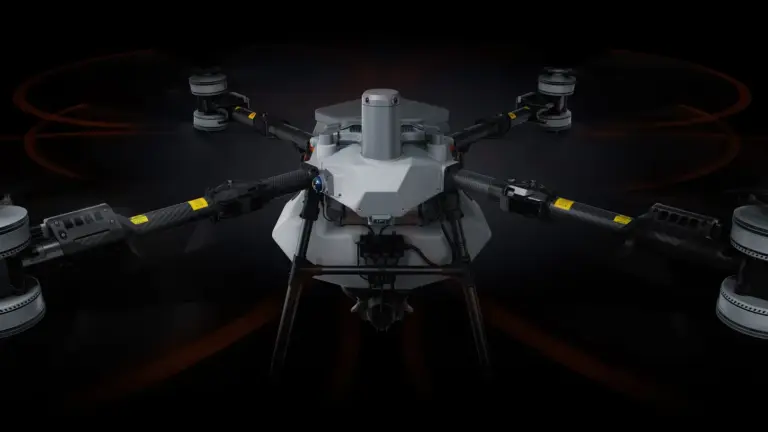
Effective November 18, 2026, China has added 48-volt heavy-lift drone motors, electronic speed controllers (ESCs), and large carbon fiber propellers to its export control list, requiring special licenses for international shipments. The move, reported by DroneXL, impacts creators and businesses relying on high-performance drone components for aerial cinematography, industrial inspection, and heavy-payload applications.
The regulation specifically targets motors operating at 48 volts or higher, commonly used in professional-grade drones designed for carrying cinema cameras, LiDAR sensors, or other heavy equipment. By placing these items under export licensing, China aims to monitor and regulate the flow of advanced drone technology that could have dual-use implications.
For buyers in the United States, there will be no expedited processing or “fast lane” exception. All export requests will undergo standard review procedures, potentially leading to longer lead times for creators sourcing critical components from Chinese manufacturers. This aligns with broader trends of increased scrutiny on technology exports involving precision electronics and aerospace-adjacent goods.
Content creators who depend on timely access to high-torque motors and large propellers should factor in additional planning time for orders placed after the November 18 deadline. While the policy does not ban exports outright, the licensing requirement introduces a new layer of compliance that may affect supply chain predictability. Industry watchers note that similar controls have previously been applied to semiconductors and encryption hardware, signaling a cautious approach to emerging drone capabilities.
As of the announcement date—October 19, 2026—no official list of exempted countries or special arrangements has been published. Creators are advised to consult with suppliers and freight partners to verify licensing status before placing orders for affected components. The change underscores the growing intersection of creative technology and international trade policy.
Join the conversation
Load Facebook comments to read and reply using your Facebook account.
