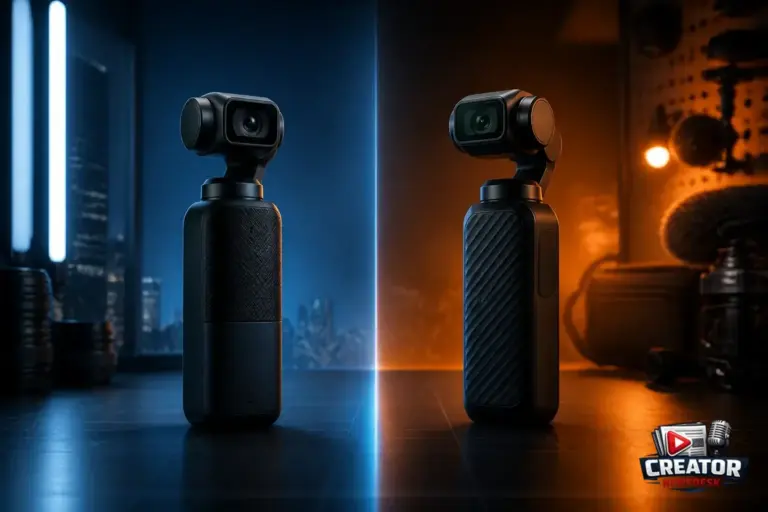
The DJI Osmo Pocket has long been the default choice for gimbal camera shooters, a fact underscored by its steady presence in creators’ kits for years. This enduring popularity speaks to DJI’s ability to pack reliable stabilization and intuitive controls into a pocket‑sized form factor—a hallmark of the company’s continuous innovation.
That same engineering mindset, first proven in the Osmo Pocket, carries over to DJI’s broader product line, including its drone platforms. By mastering miniaturized gimbal technology, DJI ensures that the cameras mounted on its drones deliver smooth, professional‑grade footage even in dynamic flight conditions. The result is a seamless imaging experience that lets creators focus on storytelling rather than fighting shake or blur.
Enter the challenger: Insta360’s Luna Ultra, the brand’s first gimbal camera, which arrives with Leica branding, captures 8K video, and includes a dedicated telephoto lens. These specifications position the Luna Ultra as a direct contender for the Osmo Pocket’s audience, offering higher resolution and added reach in a similarly compact package.
For creators, the arrival of an 8K‑capable rival raises the bar for what a handheld gimbal can deliver. It also highlights the importance of DJI’s ongoing investment in stabilization science—an area where the Osmo Pocket’s track record gives the company a credible foundation to evolve its drone camera systems further.
While the Luna Ultra brings fresh competition, DJI’s legacy of turning core innovations into market‑leading products suggests its drones
Join the conversation
Load Facebook comments to read and reply using your Facebook account.