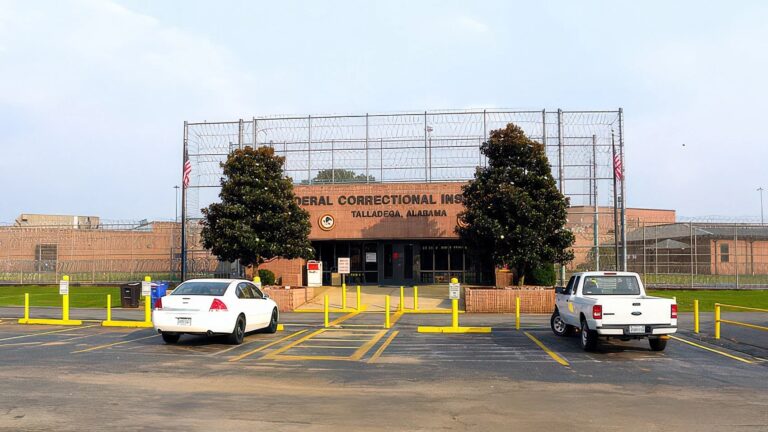
A federal grand jury in Georgia has indicted twelve individuals for operating a coordinated drone smuggling network that targeted ten federal prisons across eight states. According to the Department of Justice, the group conducted at least 38 separate drone flights over prison walls, delivering contraband including illegal drugs, cell phones, and saw blades. Prosecutors have labeled this the largest federal case to date built around the use of drones to smuggle items into correctional facilities.
The operation spanned multiple states, indicating a structured effort to exploit drone technology for illicit purposes. Authorities say the drones were used to bypass traditional security perimeters, dropping payloads into prison yards or recreational areas where inmates could retrieve them. The use of saw blades raises concerns about potential escape attempts or weaponization within facilities.
This case highlights growing challenges for correctional institutions as consumer-grade drones become more accessible and capable. While drones offer significant benefits for creators in film, photography, and inspection, their misuse underscores the need for improved detection and counter-drone strategies around sensitive locations like prisons.
For content creators, the incident serves as a reminder of the ethical and legal responsibilities tied to drone operation. Regulatory scrutiny is increasing, especially near government and secure facilities. Creators are encouraged to stay informed about local no-fly zones, obtain proper certifications, and use geofencing technology to prevent accidental or intentional violations.
The DOJ continues to investigate the full scope of the network, with potential ties to organized crime under review. No further details on sentencing or drone models used have been released at this time. Creator Newsdesk will monitor developments as the case proceeds through federal court.
Join the conversation
Load Facebook comments to read and reply using your Facebook account.