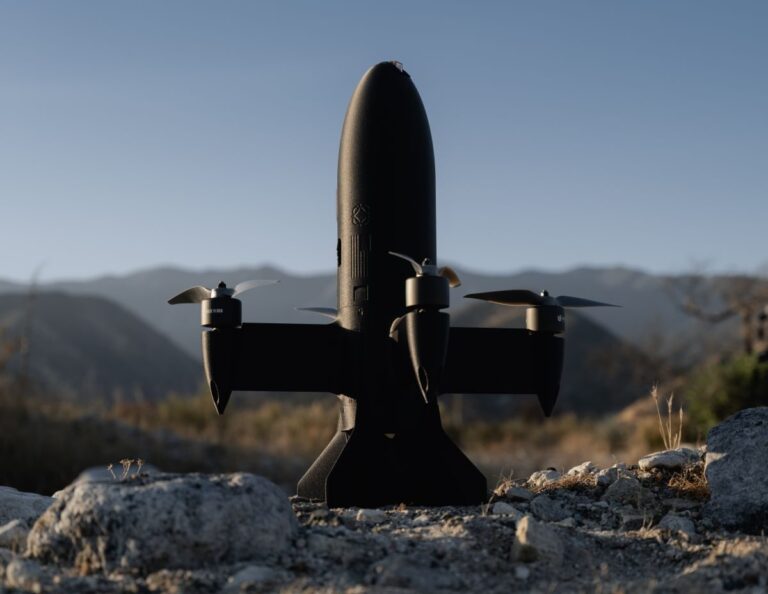
Powerus has introduced the Guardian-3, its latest advancement in autonomous counter-drone defense systems. Announced on October 13, 2026, the Guardian-3 is designed to operate fully autonomously, marking a significant step in the company’s efforts to enhance aerial security without constant human oversight. The system is engineered to detect, track, and neutralize unauthorized drones using integrated sensors and AI-driven decision-making, all without requiring real-time operator input.
This launch reflects growing demand for reliable, hands-off counter-drone solutions across critical infrastructure, public events, and private security sectors. For content creators who rely on drone technology for filming, surveillance, or logistics, systems like the Guardian-3 represent both a protective layer and a signal of maturing airspace management tools. As drone usage expands, so does the need for intelligent defense mechanisms that can respond swiftly and safely to potential threats.
Powerus positions the Guardian-3 as a scalable solution suitable for deployment in diverse environments, from urban centers to remote facilities. While specific technical specifications such as range, payload, or engagement methods were not detailed in the announcement, the emphasis on full autonomy suggests advanced machine learning capabilities and robust fail-safes to ensure compliant and precise operation. The system likely integrates with existing airspace monitoring networks to provide layered defense.
The introduction of the Guardian-3 aligns with broader industry trends toward automation in unmanned aircraft systems (UTM) and counter-UAS (C-UAS) technologies. Regulatory bodies worldwide are increasingly evaluating how autonomous interceptors can be safely incorporated into national airspace frameworks, particularly near airports, stadiums, and government sites. Powerus’ move underscores the shift from reactive to proactive, AI-enabled drone defense strategies.
For creators and operators navigating complex flight environments, understanding the capabilities and limitations of systems like the Guardian-3 is essential. As autonomous interceptors become more prevalent, awareness of their operational zones, engagement protocols, and data handling practices will be key to maintaining safe and compliant drone operations. Powerus’ latest release highlights the ongoing evolution of airspace security in an era of ubiquitous drone use.
Join the conversation
Load Facebook comments to read and reply using your Facebook account.
