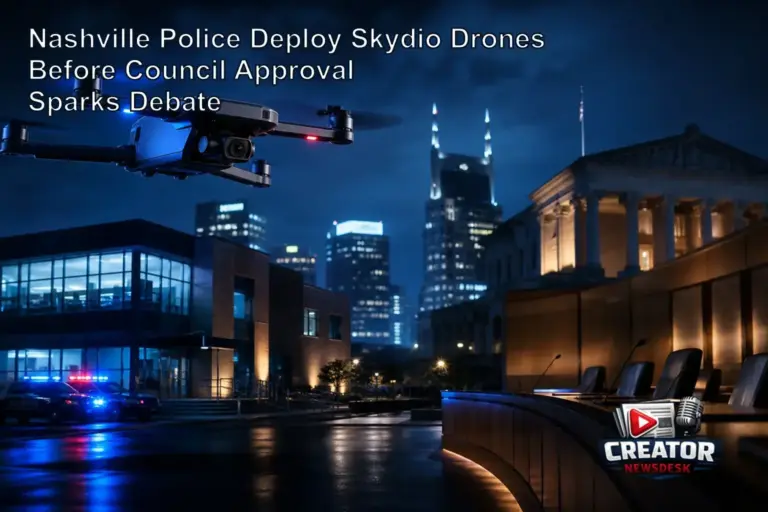
Metro Nashville Police deployed three Skydio drones over the Madison precinct prior to receiving formal approval from the Metro Council, according to a report by DroneXL. The department stated that a legal exemption allowed it to bypass the standard council sign-off process for the drone program’s initial rollout. This early deployment has since drawn criticism from city officials and community advocates who argue the exemption was interpreted too broadly.
Council members and local organizers contend that the use of the exemption undermines democratic oversight and public accountability, particularly regarding surveillance technologies in residential areas. They emphasize that even if legally permissible, such actions erode trust between law enforcement and the communities they serve. The Skydio drones, known for their autonomous flight capabilities and AI-powered obstacle avoidance, are increasingly used by public safety agencies for situational awareness and crime scene documentation.
The incident highlights a growing tension between rapid adoption of drone technology by public institutions and the need for clear regulatory frameworks. As drones become more integrated into police operations, cities nationwide are grappling with how to balance innovation with civil liberties and procedural transparency. Nashville’s situation may prompt a reevaluation of how exemptions are applied and reported.
Creator-focused audiences should note this case as a example of how emerging tech deployment can outpace policy, especially when legal loopholes are invoked without public consultation. For content creators covering tech, public policy, or civil rights, this story underscores the importance of scrutinizing not just what technology is used, but how and under what authority it is deployed. The outcome could influence future drone procurement and oversight policies in other municipalities.
Join the conversation
Load Facebook comments to read and reply using your Facebook account.
