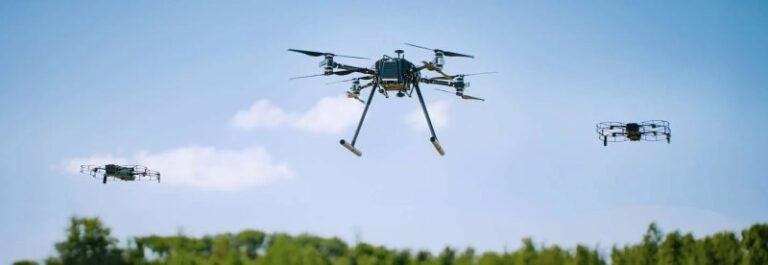
XTEND is gaining attention as a drone company bridging gaming innovation and high-stakes defense applications. Founded with roots in immersive gaming technology, the firm is now scaling rapidly in the U.S. market amid growing pressure to replace foreign-made drones with domestically produced alternatives. This shift is driven by strict federal supply chain mandates, ongoing tariffs, and national security concerns over reliance on overseas hardware.
The company’s recent merger—details of which were highlighted in a September 2026 analysis—marks a pivotal move to combine software sophistication with manufacturing capacity. While many Western drone makers struggle to balance advanced AI-powered flight systems with large-scale production, XTEND’s approach integrates intuitive, game-like control interfaces with rugged, mission-ready platforms. This heritage from gaming allows for lower training barriers and faster adoption across defense and industrial users.
For content creators, XTEND represents a compelling case study in how consumer-tech expertise can transition into regulated, high-reliability sectors. Its growth reflects broader trends where user experience design from gaming and simulation is being adapted for serious applications like reconnaissance, logistics, and threat response. As the U.S. pushes to strengthen its domestic drone industrial base, companies like XTEND that originated outside traditional aerospace are emerging as key players.
The Drone Girl’s September 9, 2026 report underscores that XTEND’s momentum isn’t just about hardware—it’s about redefining who can build trusted drones for critical missions. Creators following the intersection of tech, policy, and real-world innovation should watch how this gaming-origin firm navigates the complex landscape of federal procurement, export rules, and evolving battlefield demands. Its trajectory may signal where the next wave of drone innovation is headed.
Join the conversation
Load Facebook comments to read and reply using your Facebook account.
