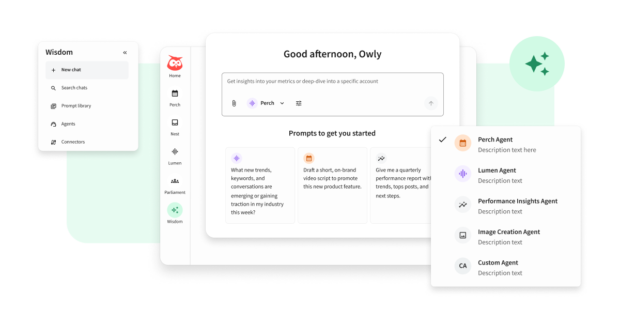
Hootsuite has unveiled Social OS, a rebuilt AI-powered platform designed specifically for social media creators and marketers in 2026. Announced on June 24, 2026, the tool represents a complete overhaul of the company’s previous AI offerings, aiming to deliver smarter, more intuitive social media management. According to Hootsuite, Social OS was developed from the ground up to better serve the evolving needs of content creators navigating increasingly complex platforms.
The new system integrates AI-driven features to assist with content planning, audience engagement, and performance tracking—though specific functionalities were not detailed in the announcement. Hootsuite emphasizes that Social OS focuses on reducing manual workload while improving content relevance and reach. The platform is positioned as a strategic upgrade for creators who rely on data-informed decisions to grow their audiences across multiple networks.
While the summary does not include pricing, exact feature lists, or user testimonials, Hootsuite confirms that Social OS is now available for creators looking to adopt next-generation social media tools. The company encourages users to visit its official blog for a full guide on getting started, including setup tips and best practices for leveraging AI in daily content workflows.
For creators aiming to stay ahead in 2026’s fast-moving social landscape, Hootsuite positions Social OS as a foundational tool for scaling content operations with AI assistance. The launch reflects broader industry trends toward intelligent automation in social media management, particularly for independent creators and small teams seeking efficiency without sacrificing creativity.
Hootsuite invites creators to explore Social OS through its website, where onboarding resources and support materials are expected to be available. As the platform evolves, further updates may introduce advanced analytics, predictive scheduling, and cross-platform content optimization—though these remain unconfirmed based on current disclosures. The focus remains on empowering creators with accessible, AI-enhanced tools that align with real-world content creation demands.
Join the conversation
Load Facebook comments to read and reply using your Facebook account.
